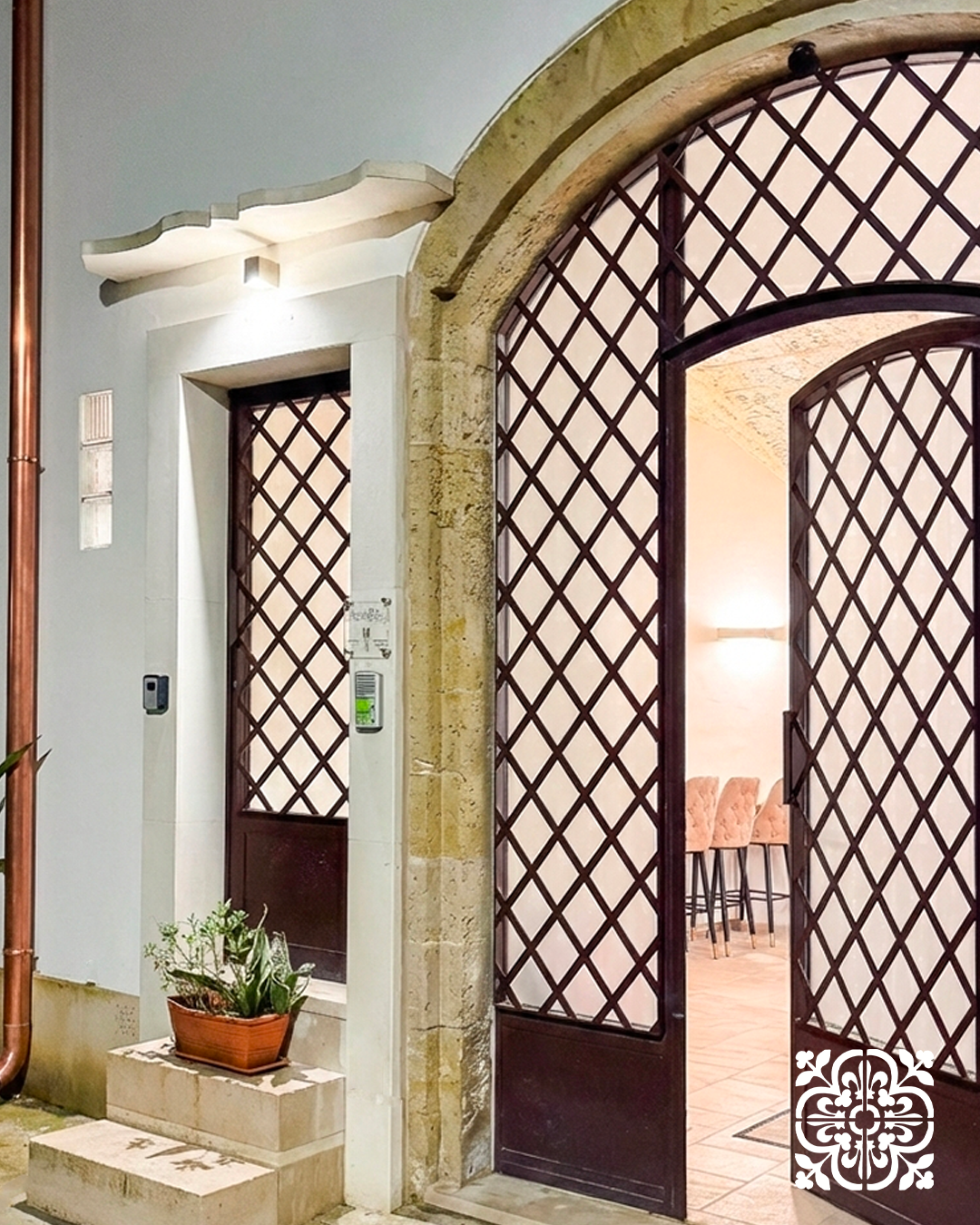
Where to stay in Puglia
Puglia is a long region, and the single biggest mistake visitors make is trying to see it from one base. You can’t. The heel of Italy stretches nearly 400 kilometres from the Gargano spur in the north to Santa Maria di Leuca at the tip, and the driving is slow, scenic, and full of detours you won’t want to skip. Pick two or three bases, match each one to a different kind of day, and the whole region opens up.
Here are the four bases that actually work — the south around Galatina, the north in the Valle d’Itria and along the Bari coast, the wild Gargano, and Matera just over the border — with the honest pros and cons of each.
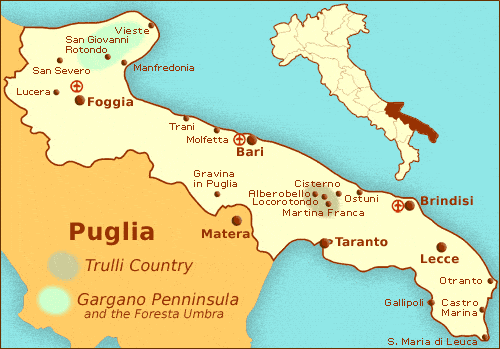
How to pick your bases
If this is your first trip and you have a week, split it: a few days in the south and a few days in the north. If you have ten days, add Matera. If you have two weeks, add the Gargano. If you only have a long weekend, pick ONE base and stay put — Puglia rewards slow days more than long drives.
One thing that applies everywhere: you need a car. Trains run between the bigger cities (Bari to Lecce, for example), but the villages, the masserie, the beaches and the Gargano are not train trips. Book the car with your flights.
What to stay in
In Puglia, where you sleep is half the trip, and the choice is the point: an authentic home in town, where you shop at the morning market and eat on your own terrace;
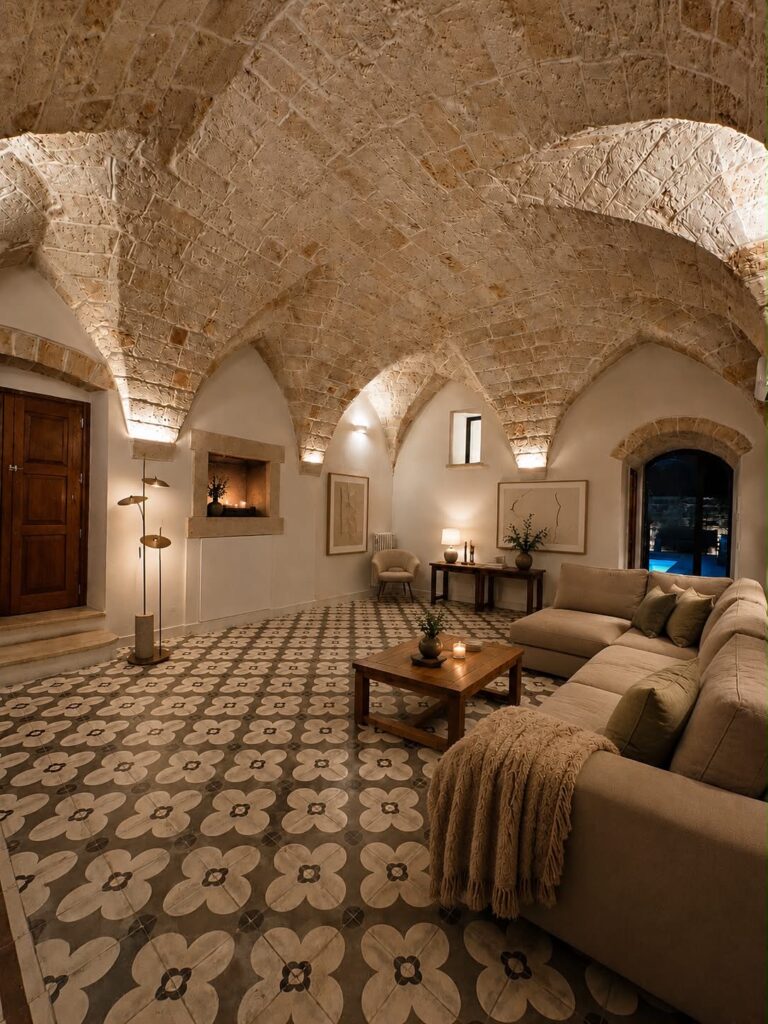
an authentic Italian home with star-vaulted ceilings and authentic cementina floors in Galatina
a masseria, the old fortified farm out in the olive groves, with its own pool, its own oil, and often its own burrata at breakfast;
a palazzo, a noble family’s town palace with frescoed ceilings and a courtyard, in Lecce or Martina Franca or Matera
a cave in Matera’s Sassi, stone walls carved by hand and a view over the ravine;
or a trullo in the Valle d’Itria, sleeping under the stone cone roof that’s been standing for centuries.
Each one puts you inside the place instead of next to it. The one thing I’d skip is the formulaic chain hotel — the same lobby, the same breakfast, the same room you could be in anywhere on earth. You didn’t come to authentic Italy to stay in a formulaic chain hotel.
Galatina Luxe in Galatina
25 Tips for traveling to Puglia
1. The South: Galatina and the Salento Interior
Stay here if: you want the real Salento — Baroque towns, long lunches, and beaches you drive to rather than sleep on.
Galatina is my home base, so I’ll say it plainly: staying in the Salento interior beats staying on the coast, at least for the second half of a trip. The coastal towns are beautiful and, in summer, crowded and expensive. Galatina is a lived-in Baroque town where the evening passeggiata is locals, not tourists. You wake up to pasticciotto from a bakery that has been making it for generations, you walk stone lanes to the Basilica di Santa Caterina with its extraordinary 14th-century frescoes, and you are within half an hour of almost everything that matters in the Salento.
What staying here is like: mornings in the old town, afternoons at a beach or a masseria, evenings back in town for dinner. The rhythm is the point. A villa or a historic-centre apartment with a terrace changes the trip — you eat outside, you come back for a swim, you go out again. That’s the Salento at its best.
Galatina
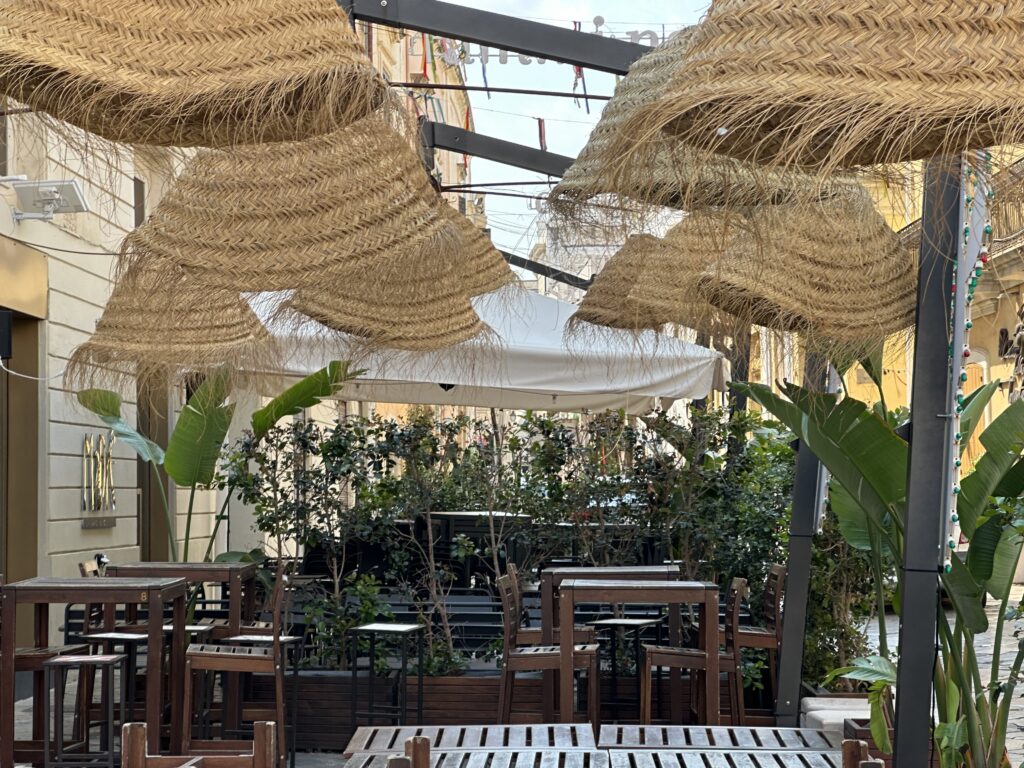
Galatina
Day trips from Galatina:
Lecce the Baroque capital, about half an hour north — the churches, the Roman amphitheatre, the papier-mâché workshops
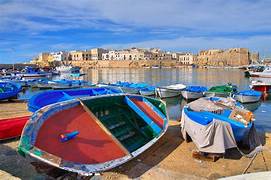
Gallipoli and Porto Selvaggio for the Ionian beaches, and the clifftop town of Otranto on the Adriatic side
Santa Maria di Leuca, where the two seas meet at the very tip of the heel
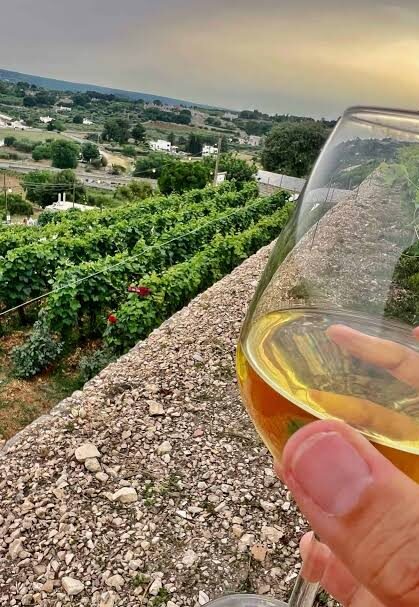
The wine country around Salice Salentino, and a burrata masseria experience in the countryside
Who it’s for: travelers who want food, history, and a local base rather than a resort. Who should skip it: if you want to walk out of your hotel onto a beach, stay on the coast instead — Galatina is inland, and the beaches are a drive.
Where to stay: a historic-centre apartment or a villa with a garden and pool. I host in Galatina myself — a historic villa with a pool, garden and rooftop terrace — and I’m biased, but the format is the reason: a house in town gives you the Salento the hotels don’t.
Where to stay in Galatina
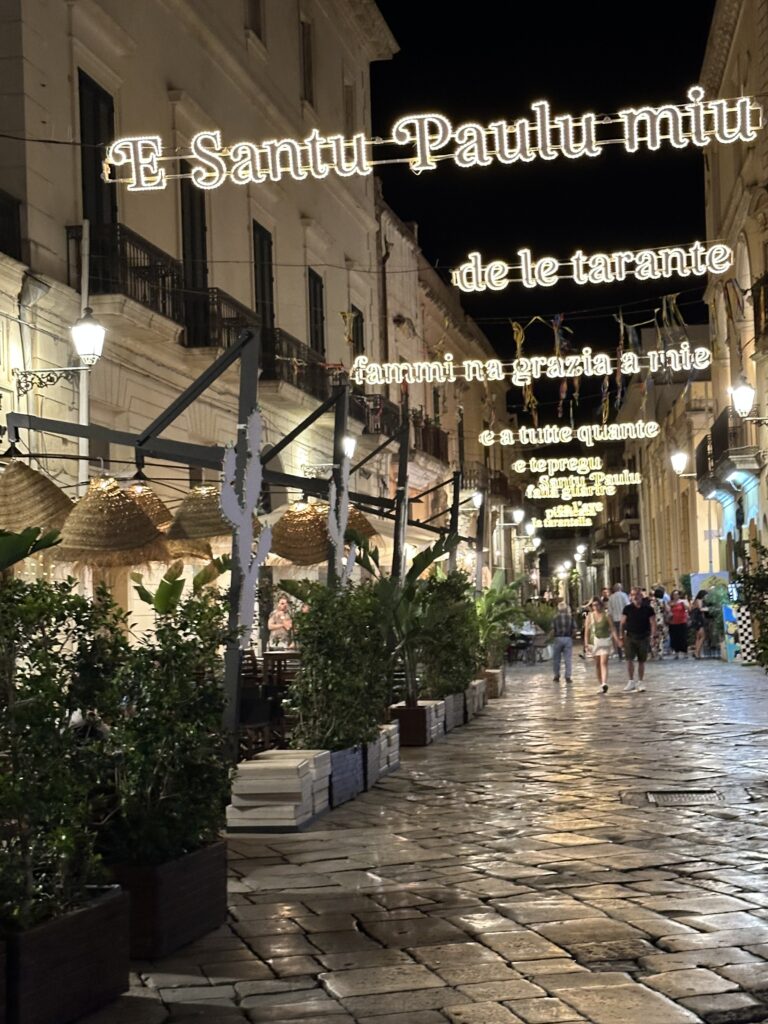
Galatina street
2. The North: The Valle D’ Itria and the Bari Coast
Stay here if: it’s your first trip, you love white hill towns, and you want the postcard Puglia — trulli, dry-stone walls, and olive groves in every direction.
The north is really two bases in one: the Valle d’Itria inland (Locorotondo, Martina Franca, Alberobello, Cisternino) and the Adriatic coast (Bari, Polignano a Mare, Monopoli). You can cover both from one spot if you pick well.
Monopoli is my pick. It’s a real working fishing port, not a resort: the old town sits right on the sea, whitewashed lanes leading to the harbour, the castle of Charles V at the water’s edge, and fishermen mending nets in the morning. You can swim in town at Cala Porta Vecchia, a sandy cove under the old walls, and the long sandy beaches at Capitolo are ten minutes south. The restaurants serve the catch, not the crowd — and the prices show it. But the real reason is position: Monopoli sits in the middle of everything northern.
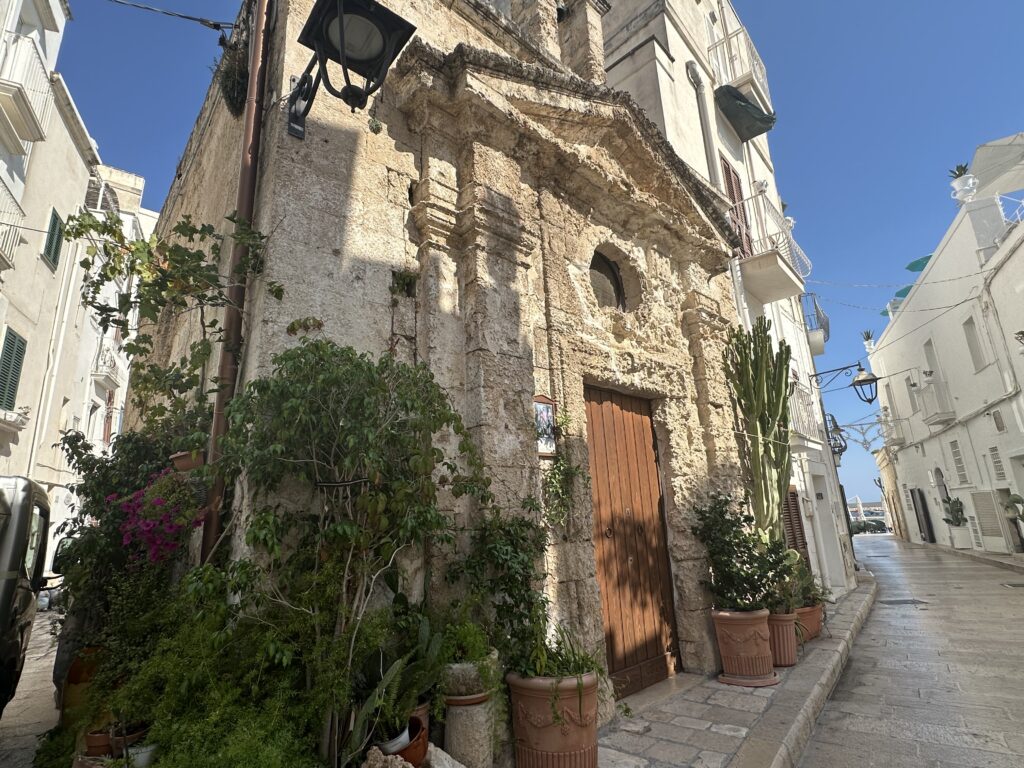
Monopoli street
Polignano a Mare is fifteen minutes up the coast, the trulli towns of the Valle d’Itria — Locorotondo, Martina Franca, Alberobello — are half an hour inland, the Castellana caves are twenty-five minutes away, Bari is forty minutes north, and Ostuni is half an hour south. You get the sea, the old town, and every day trip in the north without ever changing hotels — and you come home each evening to a town that belongs to its own people.
From Monopoli, the valley towns are easy day trips. Locorotondo is round, quiet, and whitewashed, with a terrace locals call the lungomare that looks out over the whole valley, and the DOC wine is the local pride. Martina Franca, ten minutes beyond it, is the grander Baroque sister — bigger, livelier, famous for capocollo and its summer opera festival. Alberobello is the one everyone photographs, and you should see the trulli, but I wouldn’t sleep there: by day it’s busy, and the magic is in visiting, not staying. Ostuni, the White City on its hill above the olive groves, is spectacular at sunset, with a real old town behind the view. And Bari Vecchia — the old town, the Basilica di San Nicola, the women making orecchiette by hand in the street — is forty minutes north.
Day trips from Monopoli: the trulli towns loop (Locorotondo, Martina Franca, Alberobello, Cisternino), the Grotte di Castellana caves, Bari Vecchia, Polignano, and Ostuni.
Who it’s for: first-timers, photographers, food lovers, and anyone flying into Bari airport — this is the easiest base to reach. Who should skip it: if you want empty beaches, the north’s coast is prettier than it is swimmable compared with the Salento.
3. The Gargano: Vieste and the spur
Stay here if: you want the Puglia most visitors never reach — cliffs, sea caves, an ancient forest, and islands on the horizon.
The Gargano is the spur on Italy’s boot, and it feels like a different region: wilder, greener, and quieter. It’s the part of Puglia the guidebooks rush past, which is exactly why it’s worth the detour. But be honest with yourself about the drive — it’s a good two hours and more from Bari, the roads wind, and you need at least two or three days to do it justice. Don’t bolt it onto a week as an afterthought.
Vieste is the base. It’s a white old town on a cliff above two long beaches, with the Pizzomunno sea stack standing offshore like a monument. From the harbour, boats run the sea-cave coast — a morning on the water, in and out of the grottoes, is the Gargano’s signature experience. Peschici, smaller and perched further along the coast, is the quieter alternative if Vieste feels too busy.
Monte Sant’ Angelo- the Cave Church consecrated by an Angel
Day trips from Vieste
– The Foresta Umbra, an ancient beech forest inland — cool, green, and completely unlike the rest of Puglia. Walk it in the morning before the heat.
– Monte Sant’Angelo, the cave shrine of St. Michael, up in the mountains — one of the most extraordinary sacred places in Italy, and a world away from the beach towns.
– The Tremiti Islands, a ferry day trip in summer from Vieste and Peschici (and year-round from Termoli on the mainland). Small, rocky, and beautifully clear-watered.
-Trani, forty-five minutes up the coast past Bari, is the evening escape: a Romanesque cathedral standing right on the harbour, the Swabian castle beside it, and aperitivo at the port with a glass of Moscato di Trani.
Who it’s for: walkers, boaters, and travellers who have already seen the classic towns and want the wild side. Who should skip it: anyone on a short trip or without a car — the Gargano punishes rushing.
4. Matera: The Cave city over the border
Stay here if: you want one night somewhere unforgettable — and you’re already passing through the north.
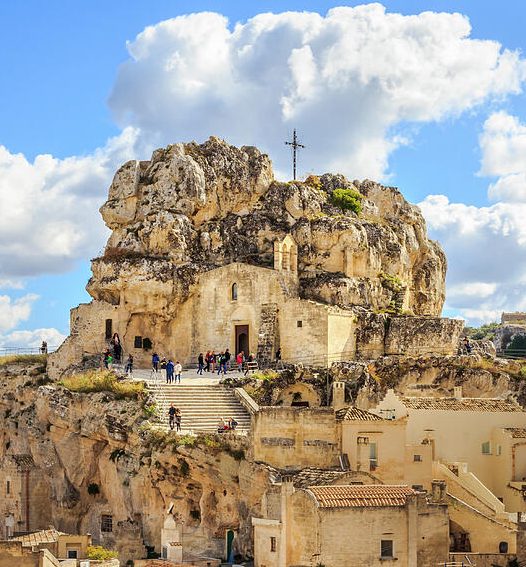
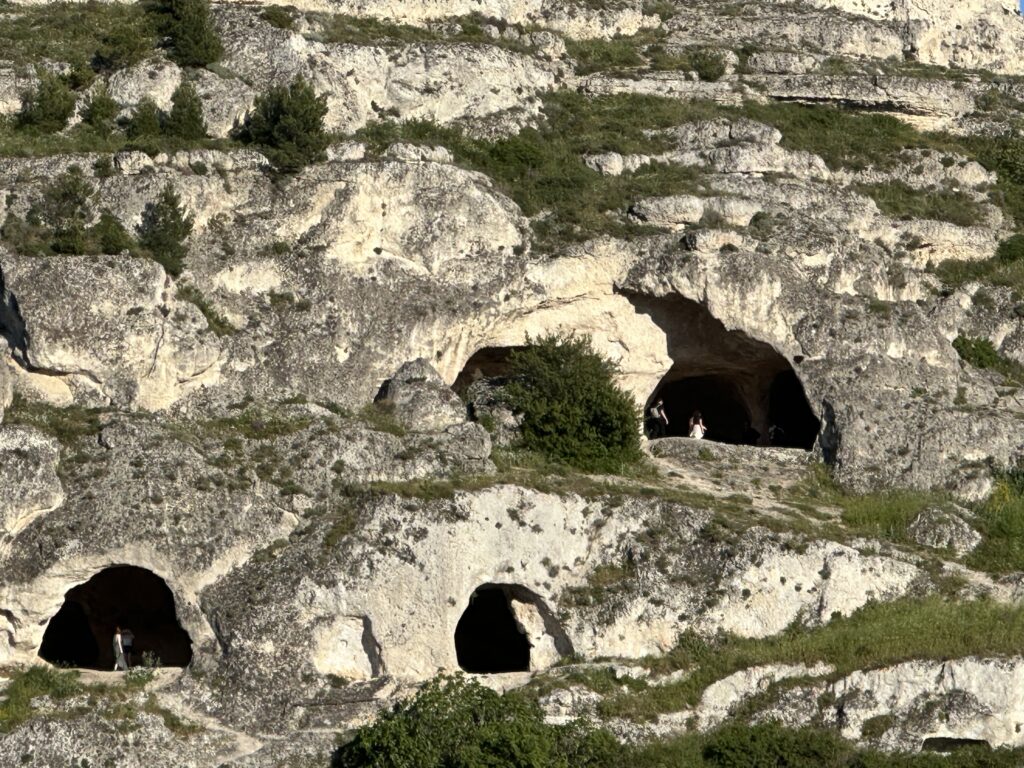
Matera isn’t in Puglia at all. It’s across the border in Basilicata, about an hour from Bari, and it belongs on this list anyway because almost every northern Puglia trip passes it, and skipping it would be a mistake. The Sassi — the ancient cave dwellings carved into the ravine — are a UNESCO World Heritage site and one of the most extraordinary urban landscapes in Europe. People have lived in these caves for thousands of years, and today many of them are hotels, restaurants, and homes.
Stay in the Sassi themselves if you can: a cave room, with stone walls and a view over the ravine, is the experience. The modern town above is quieter and cheaper and a fine fallback. Spend a day walking the Sassi, visit a Casa Grotta to see how families lived in the caves, and be at a viewpoint at sunset when the whole ravine turns gold. Eat the bread — Pane di Matera is famous for a reason.
Who it’s for: everyone, honestly, but especially photographers and history lovers. One or two nights is enough for most people; it’s a small city and the Sassi are the whole point.
Putting it Together
– 7 days: 4 nights in the south (Galatina), 2 nights in the north (Monopoli), 1 night in Matera on the way home via Bari.
– 10 days: add 2 nights in Vieste for the Gargano, and give the north an extra night.
– 14 days: do all four properly — 5 south, 5 north, 2 Gargano, 2 Matera, with a slow day in each.
Practical Notes
– Car: essential. Book it with your flights, and get the smallest car you’re comfortable with — the old-town lanes are narrow.
– When: April, May, June, September and October are the sweet spots. July and August are hot and crowded, especially on the coast; the interior towns and the Gargano forest stay more bearable.
– Book ahead: The most beautiful rental homes go fast. Trulli, masserie and Sassi cave rooms are small and fill early, especially in summer.
– Pace: Puglia rewards one base per few days, not one per night. The driving is part of the trip, but only if you’re not doing it every day.
Puglia isn’t one place. It’s a Baroque town in the south, a white hill town in the north, a cliff in the Gargano, and a cave city over the border — and the trip that works is the one that gives each of them their own days.
FAQ’s on Where to stay in Puglia
Do you need a car to stay in Puglia?
Yes, for practical purposes. Trains connect the bigger cities — Bari to Lecce, for example — but the villages, the masserie, the beaches and the Gargano are not train trips. Book the smallest car you’re comfortable with, because the old-town lanes are narrow, and book it with your flights.
Is one base enough for a week in Puglia?
No. Puglia stretches nearly 400 kilometres from the Gargano spur to Santa Maria di Leuca, and the driving is slow by design. For a week, split your stay — a few days in the south and a few days in the north. One base only works for a long weekend, when you should pick a single town and stay put.
How many days do you need in the Gargano?
Two to three days minimum, based in Vieste. A day trip from Bari doesn’t work — it’s two hours each way on winding roads, and you’d miss the point. Two days covers Vieste and the sea-cave boat trip plus the Foresta Umbra; a third day gives you the Tremiti Islands ferry.
Is Matera worth adding to a Puglia trip?
Yes, for one or two nights. Matera is technically in Basilicata, not Puglia, but it’s about an hour from Bari and almost every northern Puglia trip passes it. The Sassi cave dwellings are a UNESCO site and one of the most extraordinary urban landscapes in Europe — stay in a cave room in the Sassi if you can, and be at a viewpoint at sunset.
Build the park across the gorge into your plans. If you can hike- I wouldn’t miss this part. Gorgeous with wild flowers, wild dill and thyme. Traverse trails, and cliffs and explore caves used by shepherds to shelter and pray. The use of these caves probably predates the Egyptian pyramids, and the Rupestrian (Rock) churches with Frescos can be dated before 1100. (Parco della Murgia Materana) This national park offers hiking trails, picnic spots, and stunning views of the surrounding landscape.
Where should first-timers stay in Puglia — north or south?
That depends on the experience you are looking for
The South is less touristy, and can feel a little more authentic. You could Start in the Salento— Baroque towns, the clearest beaches, burrata at a masseria and pasticciotto in Galatina, all within an hour of each other — and the interior is still lived-in, not performed for tourists.
The north can also be a first trip. The Valle d’Itria and the Bari coast are the easiest to reach from Bari airport and hold the postcard towns — Locorotondo, Martina Franca, Ostuni, Alberobello — plus the coast at Polignano and Monopoli.