
Gallipoli
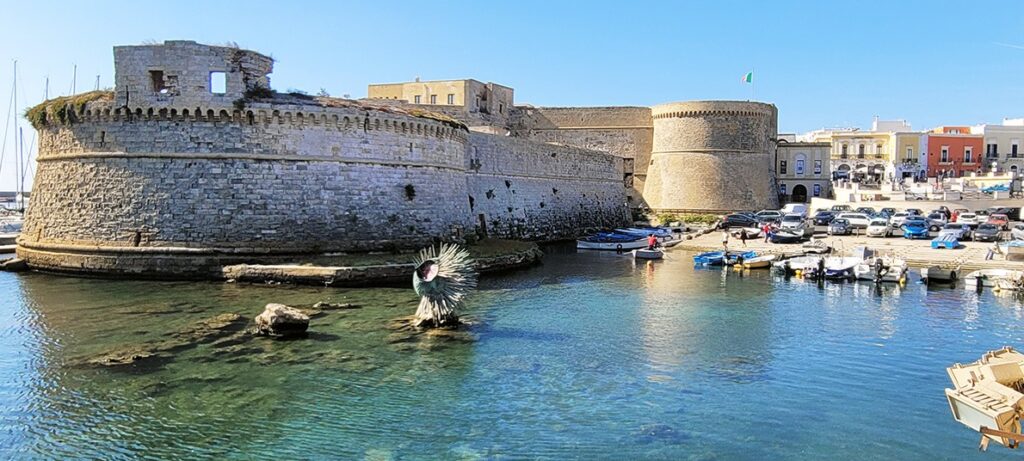
Gallipoli is a beautiful coastal city in Southern Puglia with its small fortified historic center on an island. It’s foundations were built by the ancient Greeks, and this little port city was at the center of so much history.
How did Gallipoli become so prosperous?
The historical significance of shipping olive oil for lighting from the port of Gallipoli, Italy dates back to ancient times. Olive oil was commonly used as a source of light in the ancient world, as it burned cleanly and provided a steady flame. The port of Gallipoli, located in the southern region of Puglia, was a major center for olive oil production and trade, and it played a crucial role in supplying olive oil for lighting to various regions across the Mediterranean.
The use of olive oil for lighting also had religious significance in ancient times, particularly in the Jewish and Christian traditions. In the Jewish tradition, olive oil was used to light the menorah in the Temple of Jerusalem, and in the Christian tradition, olive oil was used in lamps in churches and monasteries.
Additionally, the shipping of olive oil for lighting from Gallipoli played a key role in the economic development of the region. The production and trade of olive oil created wealth and prosperity for the inhabitants of Gallipoli and helped to establish the port as an important hub for commerce in the Mediterranean.
Best places to visit in Gallipoli
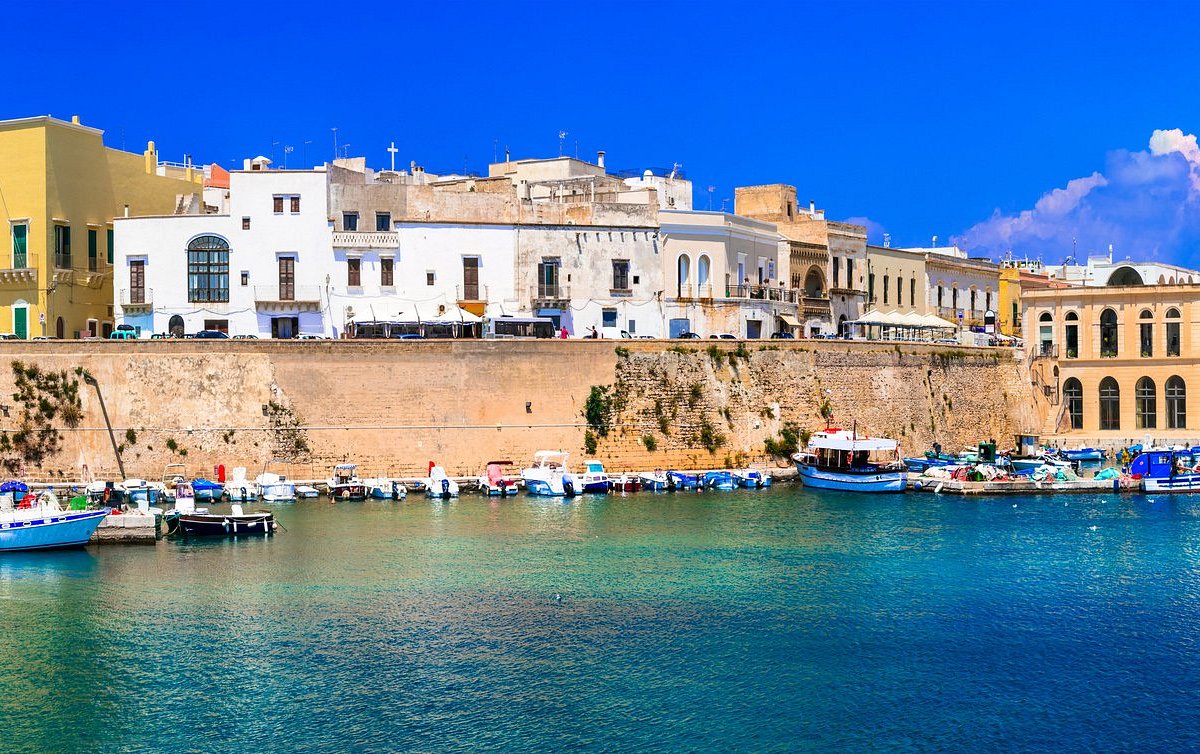
1. Gallipoli Old Town: The historic center of Gallipoli is a maze of narrow alleyways, charming squares, and beautiful historic buildings. Take a stroll through the old town to explore its ancient churches, palaces, and quaint artisan shops.
2. Gallipoli Castle: The imposing Angevin-Aragonese Castle is a must-visit in Gallipoli. Built in the 13th century, the castle offers stunning views of the surrounding area and houses a small museum that showcases the history of the town.
3. Gallipoli Cathedral: The Cathedral of Santa Agata is a beautiful example of Baroque architecture in Gallipoli. Admire the stunning façade and ornate interior, which features intricate frescoes and sculptures. Be sure to see the beautiful and ancient crypt.
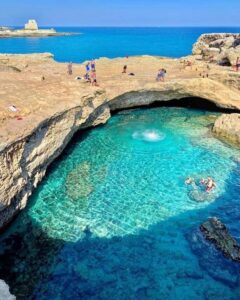
4. Baia Verde Beach: Just a short drive from the town center, Baia Verde is one of the most popular beaches in Gallipoli. With its crystal-clear waters and soft white sand, it’s the perfect spot to relax and soak up the sun.
5. Puritate Beach: Located in Gallipoli Old Town, Puritate Beach is a hidden gem with calm waters and a peaceful atmosphere. Take a dip in the clear waters or relax on the sandy shore while enjoying views of the historic town.
6. Gallipoli Fish Market: Don’t miss the chance to visit the bustling fish market in Gallipoli, where you can sample fresh seafood and watch local fishermen at work. Pick up some freshly caught fish to cook at your accommodation or enjoy a meal at one of the nearby restaurants.
7. Gallipoli Lighthouse: For panoramic views of the town and coastline, head to the Gallipoli Lighthouse. Climb to the top for stunning vistas of the Adriatic Sea and the picturesque town below.
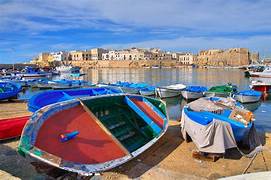
8. Gallipoli Port: Stroll along the waterfront promenade in Gallipoli Port to admire the colorful fishing boats, browse the souvenir shops, and enjoy a meal at one of the waterfront restaurants serving fresh seafood dishes.
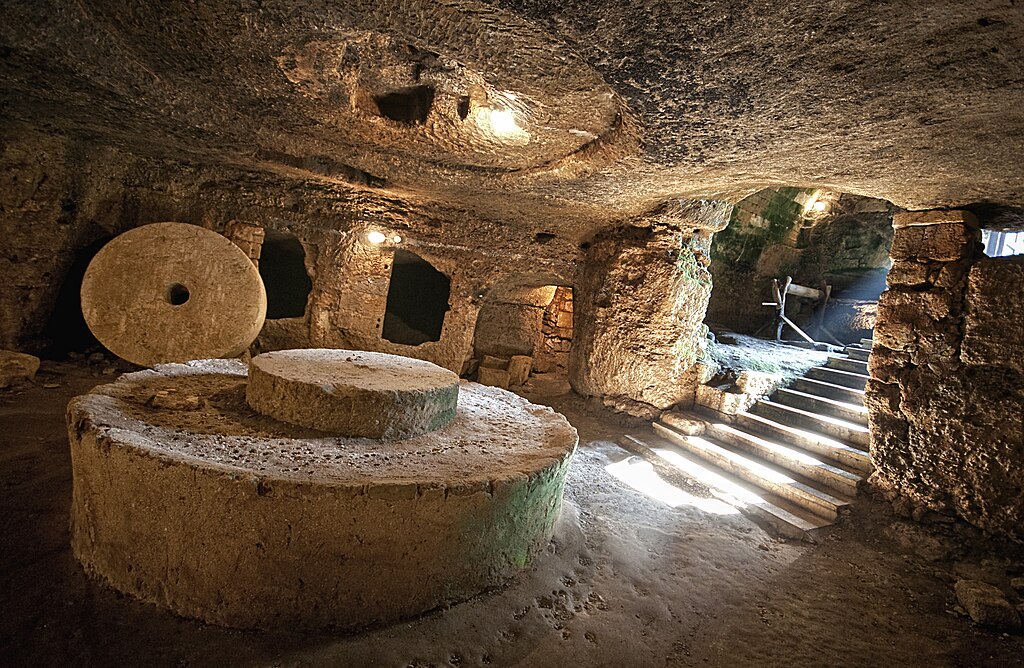
9. Visit an underground olive oil press There are several ‘Frontoio Ipogeo’ open to the public for 1-2 euros. More information on Gallipoli’s underground oil mills
FAQs on Gallipoli
What does Gallipoli Mean?
‘Beautiful City’ from its ancient Griko name.
Can you visit underground oil mills in Gallipoli?
Gallipoli became a rich and important city from its olive oil production and shipment. So wealthy they had to be worried about invaders- so they kept the olive oil mills hidden underground. These underground mills were also temperature controlled- though not a great work environment for the workers who lived for long periods underground with pungent donkeys. Frantoio di Palazzo Briganti, and Frantoio di Palazzo Granafei are two great sites to visit. Tours are 1-2 euros.
How did Gallipoli become such a wealthy city from Olive oil?
Gallipoli shipped olive oil for lighting across the Mediterranean. It burned cleanly and with a steady flame. This trade turned Gallipoli into a major commercial hub.
What are the best beaches around Gallipoli?
Spiaggia Baia Verde, and Spiaggia della Purita both have soft white sand and crystal clear water.
Is this Gallipoli the same as the WWI Gallipoli?
No — and it’s the most common confusion about this town. The WWI Gallipoli campaign took place on the Gallipoli peninsula in Turkey (called Gelibolu in Turkish). Italy’s Gallipoli is in Puglia, and its name comes from the ancient Greek “Kalé Polis,” meaning “beautiful city.” Same name, completely different place — if you’re booking flights, make sure you’re headed to southern Italy, not the Dardanelles.
What is scapece gallipolina and where do I try it?
Scapece is Gallipoli’s signature dish: small fried fish (traditionally pupiddhri, tiny picarels) layered with breadcrumbs soaked in vinegar and saffron, then marinated until tangy and golden. It was poor fishermen’s food, made to preserve the catch without refrigeration. You’ll find it in old-town trattorias and at the morning fish market area — order it as an antipasto with a glass of local white.
When is Gallipoli’s patron saint festival?
Gallipoli celebrates its patron, Santa Cristina, on July 23–24 with one of Salento’s most spectacular seaside festivals: processions through the old town, the saint’s statue carried out by boat into the harbor, fireworks over the water, and the whole island lit up. If you want the festival, book accommodation early — if you want quiet, come any other week in July.
How many days should I spend in Gallipoli?
Two full days is the sweet spot: one for the old town (castle, cathedral crypt, underground oil mills, fish market, sunset from the walls) and one for the beach at Baia Verde. It’s an easy day trip from Lecce — about 40 minutes by car — but staying overnight on the island, when the day-trippers leave and the lamps come on, is when Gallipoli is at its best
What is the best time of year to visit Gallipoli?
Late May through June and September: warm sea, open restaurants, and room to breathe. August brings Ferragosto crowds and peak prices — the beaches fill shoulder to shoulder. Winter is quiet and atmospheric, but many beach services and some restaurants close from November to March.
How is the nightlife in Gallipoli compared to other Salento towns?
Gallipoli is the undisputed nightlife capital of the Salento coast in summer — and it’s not close. Baia Verde’s beach clubs (Samsara, Praja, Cave) run DJs from mid-afternoon straight through sunset, then the action moves into the old town’s bars and lanes until late. Young crowd, big LGBTQ+ scene, the most “Ibiza of Puglia” energy on this coast. But it’s fiercely seasonal — winter Gallipoli is quiet.