
Santa Maria di Leuca (The tip of the heel)
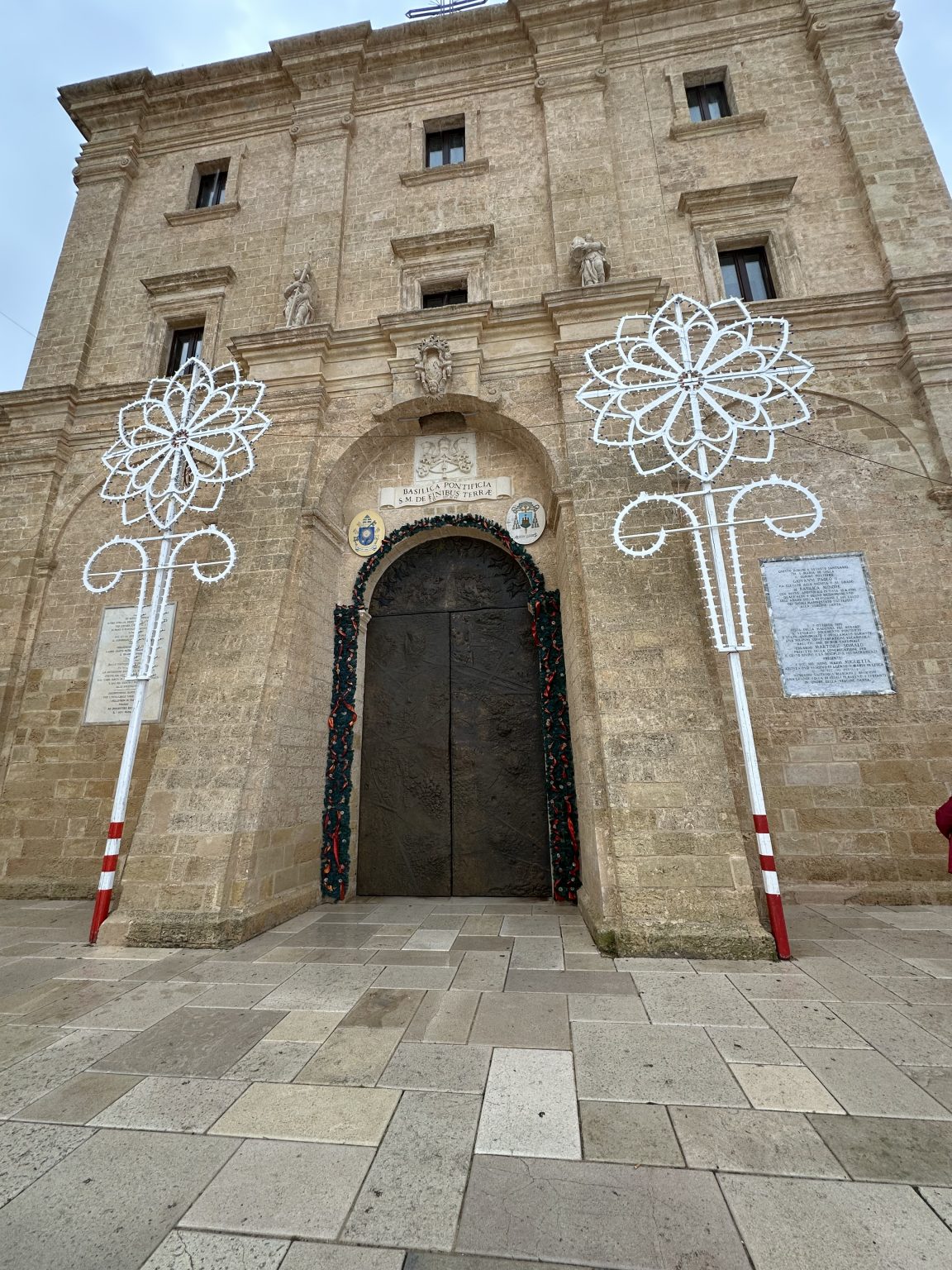
Drive to the southernmost tip of the Salento peninsula to visit Santa Maria di Leuca, where you can see the meeting of the Ionian and Adriatic Seas. Climb to the top of the famous lighthouse for panoramic views of the Salento coast. Santa Maria di Leuca was founded in the early 1st century AD by some monks, after Saint Peter’s passage. A cross was built in his honor and it is still there.
According to Luigi Tasselli (17th century) the town takes its name from “Leucasia”, a white beautiful mermaid who conquered sailors and farmers by her charming voice. One day Leucasia saw Melisso the shepherd and fell hopelessly in love with him… but Melisso was already in love with Aristula.
Leucasia spotted the loving young couple walking along the rocky cliffs. In a rage, she summoned a storm that enveloped & drowned Melisso and Aristula. The Goddess Minerva took pity on the young couple and made them eternal by transforming them to rocks- Punta Melisso and Punta Ristola. (You can visit these sites)
As punishment for her actions Minerva turned Leucasia into the town of Leuca.
How many towns have a LOVE TRIANGLE origin story?
In a later legend, the Virgin Mary saved some boats from a storm, and her name was added to that of Leuca.
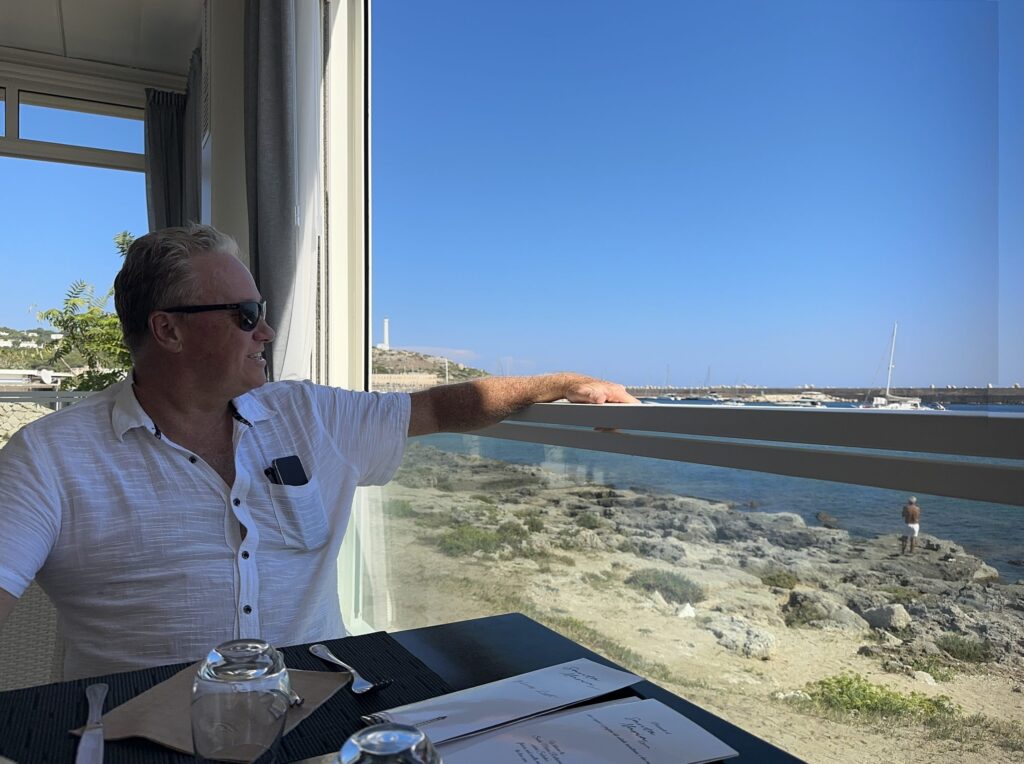
The growing phenomenon of the mini Camino in Salento
The Cammino del Salento, a “mini Camino” that spans 115 to 135 kilometers from Lecce to the spectacular seaside sanctuary in Santa Maria di Leuca has surged in popularity. In 2025 alone, the route saw thousands of active hikers, cementing its position as one of the fastest-growing multi-day walking paths in Italy
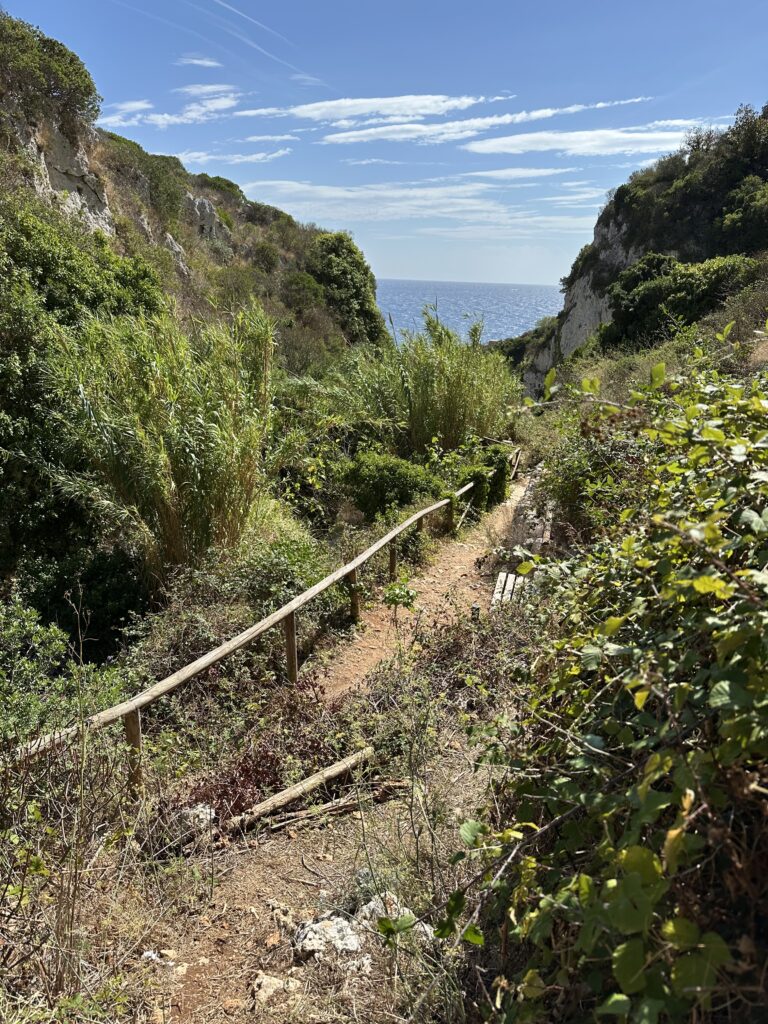
- The Quick Commitment: The path is usually split into 5 or 6 manageable daily stages of roughly 20 to 25 kilometers. This allows hikers to complete an entire pilgrimage route within a single week of vacation.
- No Altitude Exhaustion: It features minimal elevation changes, making it highly appealing to less-experienced hikers, casual walkers, and those wanting a relaxed physical challenge.

❄️ 2. The Rise of “Off-Season” and Active Winter Tourism
-
- A New Holiday Alternative: Travelers are increasingly seeking out active, walkable vacations in the spring, autumn, and winter.
- Cost and Calm: Hiking during the cooler months allows travelers to escape crowded summer tourist traps, enjoy lower accommodation pricing, and experience coastal towns in their quiet, authentic states.
-
- The Pilgrim Passport: Hikers can purchase an official Credenziale (Pilgrim’s Passport) to collect local stamps at bars, churches, and B&Bs along the way, receiving a formal Testimonium certificate upon arrival in Leuca.
- Two Distinct Itineraries: Walkers can choose between the Via del Mare (115 km tracking the rugged Adriatic coastline, cliffs, and hidden coves) and the Via dei Borghi (135 km weaving through historic inland villages, olive groves, and ancient underground oil mills).
- Luggage Transport Services: Local tour operators offer seamless baggage transfers from stage to stage, freeing hikers to walk with just a daypack.
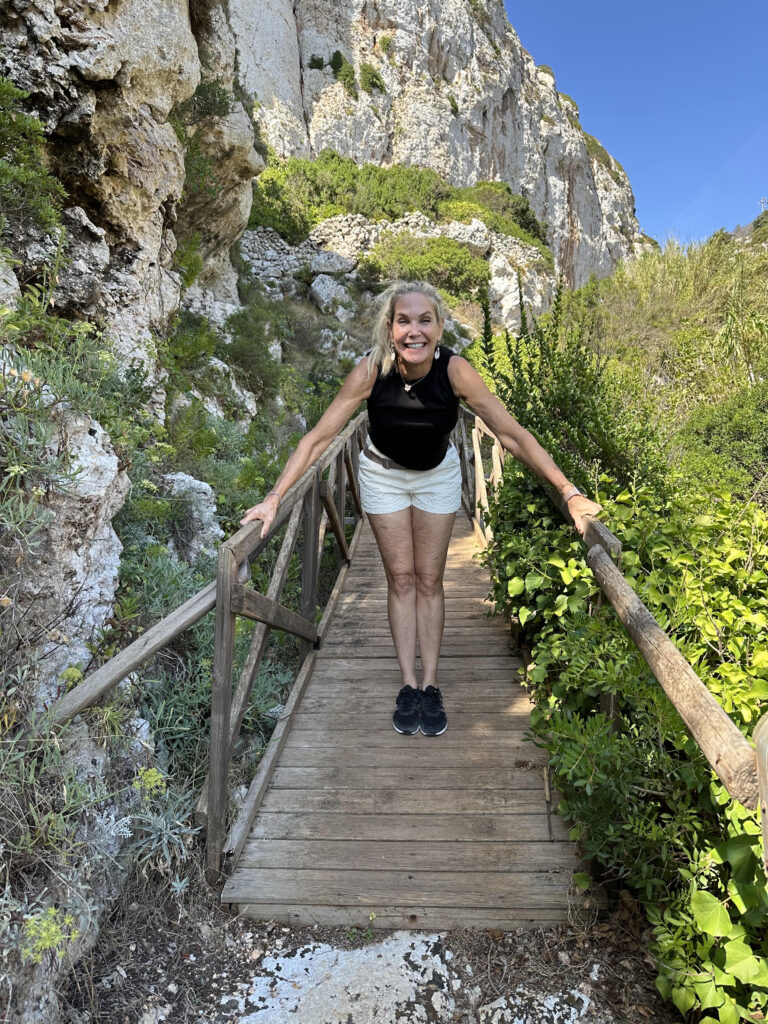
10 great things to do in Santa Maria di Leuca
1. Visit the Sanctuary of Santa Maria di Leuca: This historical church is perched on a hill overlooking the town and offers stunning views of the coastline. Built on the site of an ancient Roman Temple dedicated to Minerva, Basilica, De Finibus Terrae (“End of the Land”, 1720-1755), was built to commemorate the passage of St. Peter during his travel to Italy. St Peter arrived 10 years after the death of Christ, and brought Catholicism to the area. St. Peter is believed to have played a significant role in the naming of the Sanctuary of Santa Maria di Leuca.
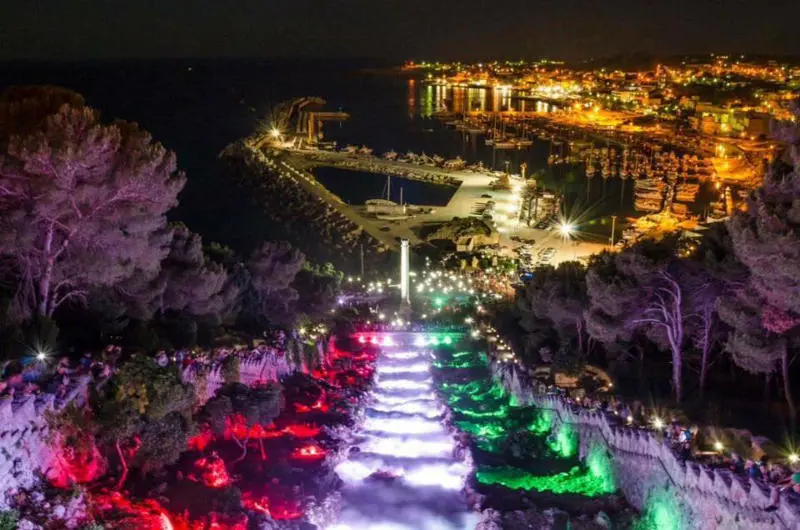
Take the time to explore the church, the 284 step staircase and waterfall and its surrounding gardens.
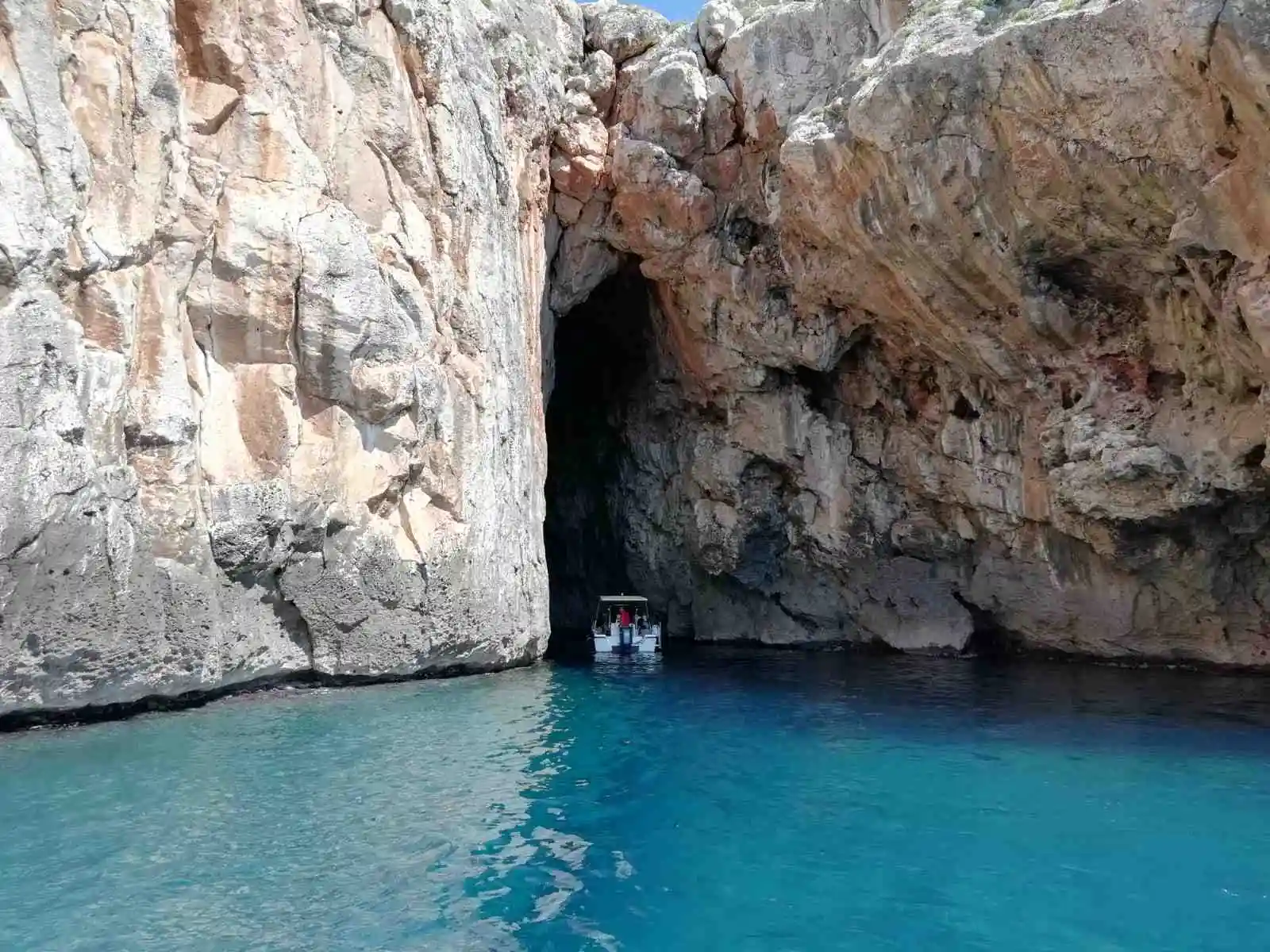
2. Take a boat tour: Discover the beauty of the coastline and crystal-clear waters of Santa Maria di Leuca by taking a boat tour. Explore Italy’s amazing caves in this part of Puglia – including Grotta Porcinara, the Grotta del Diavolo, the Grotta del Fiume, the Grotta delle Tre Porte, the Caverna dei Giganti, Grotta della Stalla and the majestic Dragon cave. You can also choose from a variety of tour options, including snorkeling trips, and sunset cruises.
3. Explore the Punta Ristola lighthouse: This iconic lighthouse marks the southernmost point of the Salento Peninsula and offers breathtaking views of the Adriatic and Ionian Seas. Climb to the top of the lighthouse for panoramic views of the southern most tip of Salento.
4. Relax on the beaches and shoreline: Santa Maria di Leuca boasts several beautiful beaches where you can soak up the sun and take a refreshing dip in the sapphire-blue waters. The eastern coast of Salento is known for rocky grottos and inlets, while the western coastline of Capo di Leuca is dotted with beautiful sandy beaches, sand dunes, restaurants ,and Lidos(beach clubs). Some popular beaches to visit include

5. Attend an authentic Salento festival Two fall festivals are celebrations in honor of Santi Medici in Gagliano del Capo on September 26th and the Festival of St. Michael the Archangel in Patu and Castrignano del Capo on September 29th. These religious festival usually include food, dancing, and fireworks. Don’t worry if you don’t know the steps to the traditional dances. The locals are likely to pull you right in.
6. Hike out to ancient watch towers There used to be 171 watch towers that were actively used to defend the peninsula, and use fire, smoke, bells, horns and cannons to signal and alert all those that defended the area. See Torre Vado and other Ancient Coastal Watchtowers and their beautiful rocky promontories.
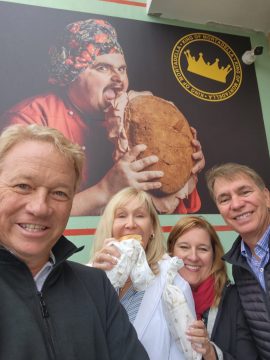
7. You have got to try this Mortadella! Bologna may be the birthplace of mortadella, but the celebrated deli meat is transformed into something special in the Capo di Leuca region. Try a sandwich made by the maestro of mortadella, Chef Giuseppe Alessio, dubbed the “King of Mortadella” by actress Helen Mirren who lives in the area. Chef Alessio is at the deli counter at the Punta Risparmio Supermercato ( Il Mio) where he creates his famous sandwiches. You will be transformed!

8. Visit Cascata Monumentale di Leuca- especially at night
The man-made waterfall or cascata monumentale di Leuca was built by Mussolini to commemorate the completion of the longest aqueduct in Europe. The waterfall has a set of stairs on each side with the lighthouse and Basilica. The lighting at night make a beautiful illmination.
Each Friday night at sunset, the water arrives via the aqueduct to the end of the peninsula, is blessed in the Basilica and and then pours into the sea to celebrate the end of the earth and the beginning of the endless sea. This impressive one-hour display of cascading waters in Italian colors is occasionally accompanied by music during special events.
9. More great hiking
You can hike the rocky cliffside trail to Ciolo Bridge and then cool off at a fjord near Gagliano del Capo and swim in the protected, crystal blue water.
You may also hike the Sentiero Cipolliane, a rocky seaside trail that leads to ancient grottos carved into the stone.
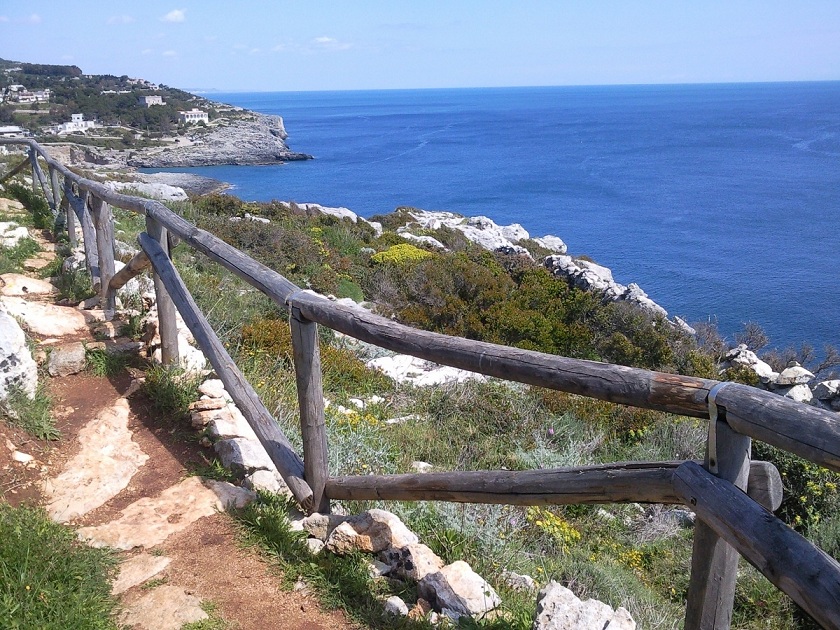
10. Take an E-bike tour. The Via Leucadense is an ancient route from to Leuca to Lecce. It is approximately 10k and perfect for an electric bike adventure
FAQs on Santa Maria Di Leuca
Where is Santa Maria di Leuca?
Santa Maria di Leuca sits at the southernmost tip of the Salento peninsula — the heel of Italy’s boot — where the Ionian and Adriatic Seas meet. The town grew around its famous lighthouse and the Sanctuary of Santa Maria di Leuca, built on the site of an ancient Roman temple dedicated to Minerva.
What are the best things to do in Santa Maria di Leuca?
Climb to the Punta Ristola lighthouse for panoramic views, visit the Sanctuary and its 284-step staircase, take a boat tour of the sea caves (Grotta del Diavolo, Grotta delle Tre Porte, the Dragon Cave), relax on beaches like Pescoluse, hike the cliffside trail to Ciolo Bridge, and catch the Cascata Monumentale waterfall on a Friday night.
Why is it called Santa Maria di Leuca?
Legend says the town is named for Leucasia, a beautiful mermaid whose voice charmed sailors and farmers. When she drowned the shepherd Melisso and his love Aristula in a jealous rage, the goddess Minerva turned the lovers into coastal rocks (Punta Melisso and Punta Ristola) and punished Leucasia by turning her into the town itself. “Santa Maria” was added later, after the Virgin Mary saved boats from a storm.
When can you see the Cascata Monumentale waterfall?
Every Friday night at sunset, water travels the longest aqueduct in Europe to the tip of the peninsula, is blessed in the Basilica, then pours into the sea in a one-hour illuminated display in the colors of Italy. Special events occasionally add music. Go after dark — the lighting on the waterfall, stairs, lighthouse, and Basilica is spectacular.
Which beaches are near Santa Maria di Leuca?
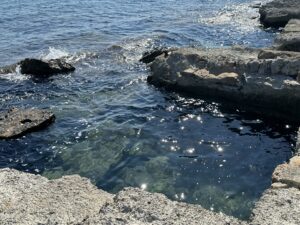
The eastern coast of Capo di Leuca is known for rocky grottos and inlets, while the western coastline is dotted with sandy beaches, dunes, restaurants, and lidos. Popular spots include Marina di Novaglie, Marina di Leuca, and Pescoluse. Don’t miss the ancient carved baths in the rock — or a lazy afternoon at one of the beach clubs.