7 Perfect Days in Southern Puglia:
The Ultimate Galatina & Salento Itinerary
Who wouldn’t love 7 Perfect days in Southern Puglia?
7-Day Southern Puglia Itinerary: Authentic Salento Road Trip & Hidden Gems
Location: Where to stay
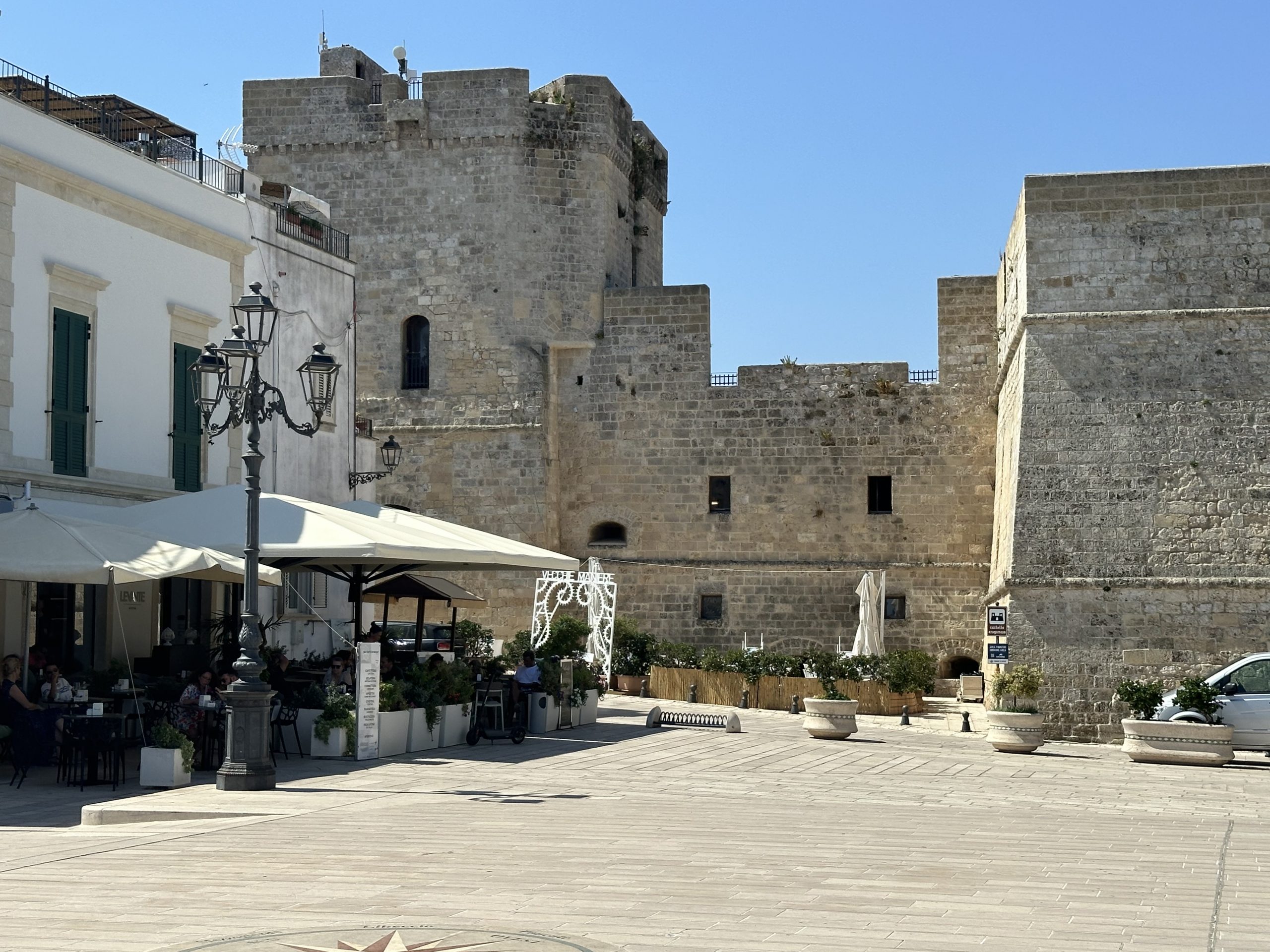
Suggest locating in beautiful Centro Storico, Galatina, Italy.
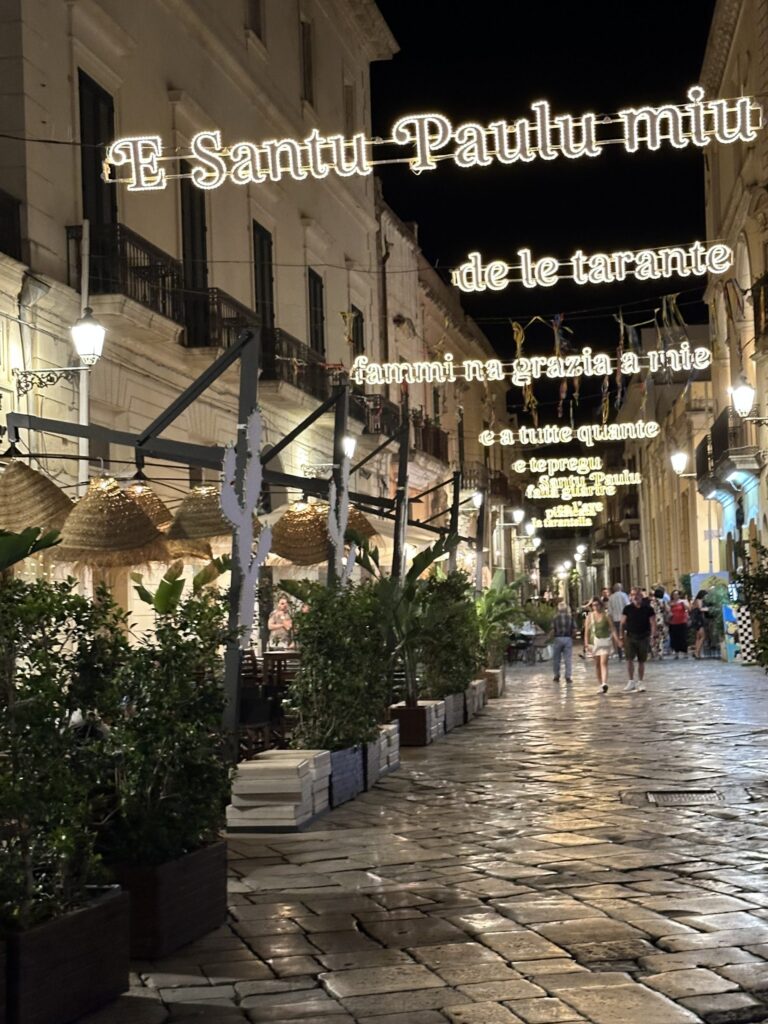
The town has a magical vibe, and the baroque architecture makes you feel like you are in a movie set- EXCEPT this is authentic Italy! People are kind and generous, the food and wine are superb, and the town is bustling and safe under the fairy-light lyrics of Tarantella. Galatina is often called ‘Little Lecce’ because of it also has the beautiful Lecce Baroque architecture.
Galatina is a town steeped in history, with many beautiful churches, palaces, and other historic buildings to explore. There has been an elegant town here since the 12th century. You will love the Puglia Romanesque style, with impressive doorways and balconies, decorated with intricate stonework. One of the town’s main attractions is the Basilica of Santa Caterina d’Alessandria, known for its stunning frescoes and Baroque architecture
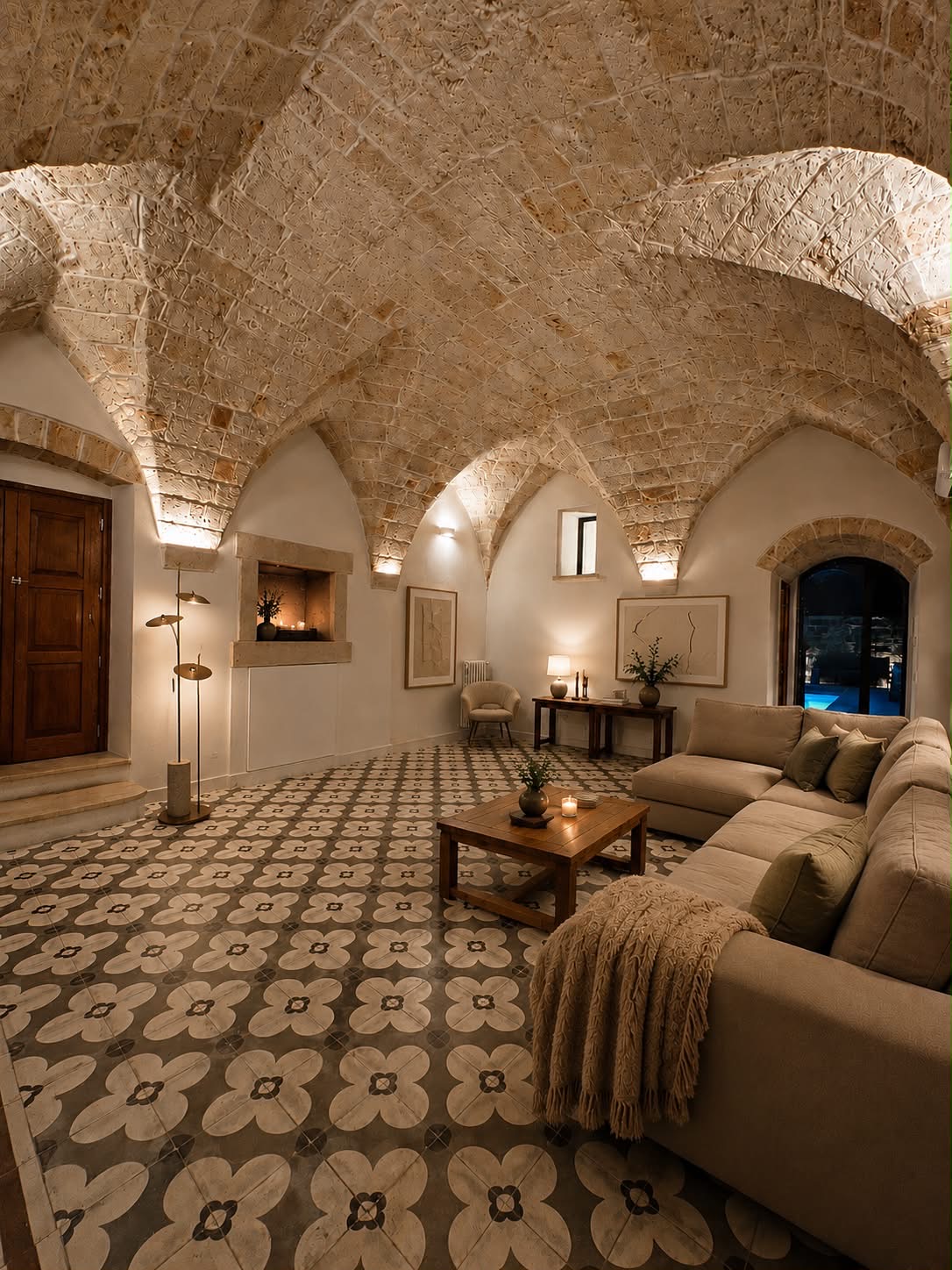
Wandering through the sun-drenched, white-stone alleys of Galatina, the true essence of the Apulian lifestyle unfolds as you savor the rich, authentic flavors of local artisan gelato, where sun-ripened regional fruits and velvety almond bases cool the intense southern heat. After indulging in these sweet local delicacies, there is nothing quite like retreating from the warm afternoon sun into the cool, sophisticated embrace of a boutique historic property. Whether you are unwinding under the vaulted stone ceilings of a meticulously restored palace like Dimora Galatina, or slipping into a state of total relaxation amidst the lush, secluded courtyard and pool/spa of Essenza Garden and Spa, returning to these luxurious historic stays perfectly blends Salento’s rich culinary heritage with an elegant, unhurried sanctuary.
Luxury Lodging in Galatina
Authentic Puglia travel guide
Day 1
Explore gorgeous Galatina
Check-in and Tour your new accommodations and get ready for an authentic Puglia experience
 Have lunch at Corte del Fuoco in Galatina (ask for Deanna)
Enjoy an elevated dining experience in Galatina that honors the past while embracing modern culinary artistry. Located in a historic 15th-century palace adjacent to the Basilica of Santa Caterina, the restaurant offers a refined and romantic atmosphere, especially within its intimate wine cellar dining rooms or its charming outdoor seating in Piazzetta San Lorenzo.
Take a mid-day Siesta (People stay out late in Italy)
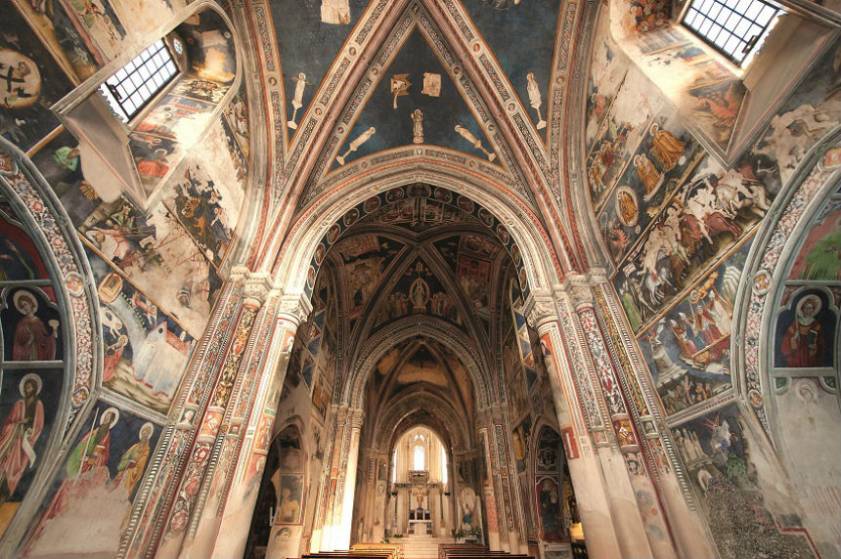
Tour Basilica Santa Caterina and the Frenzy of Frescos that light up this monument of Faith.
Often referred to as the “Sistine Chapel of Salento,” the Basilica di Santa Caterina d’Alessandria in Galatina is an essential stop for anyone seeking the most authentic cultural experiences in Puglia. This 14th-century masterpiece is a rare architectural gem that blends Apulian Romanesque and Gothic styles, but its true glory lies within. The interior is completely enveloped in one of the most significant medieval fresco cycles in Southern Italy, second only to the Basilica of St. Francis of Assisi. Visitors can marvel at vivid, wall-to-wall depictions of the Apocalypse, Genesis, and the life of Saint Catherine, commissioned by Maria d’Enghien in the early 1400s. Beyond the art, the church holds a legendary relic of Saint Catherine—a finger brought back from the Holy Land—making it a premier destination for those interested in the religious history and sacred sites of the Salento region.
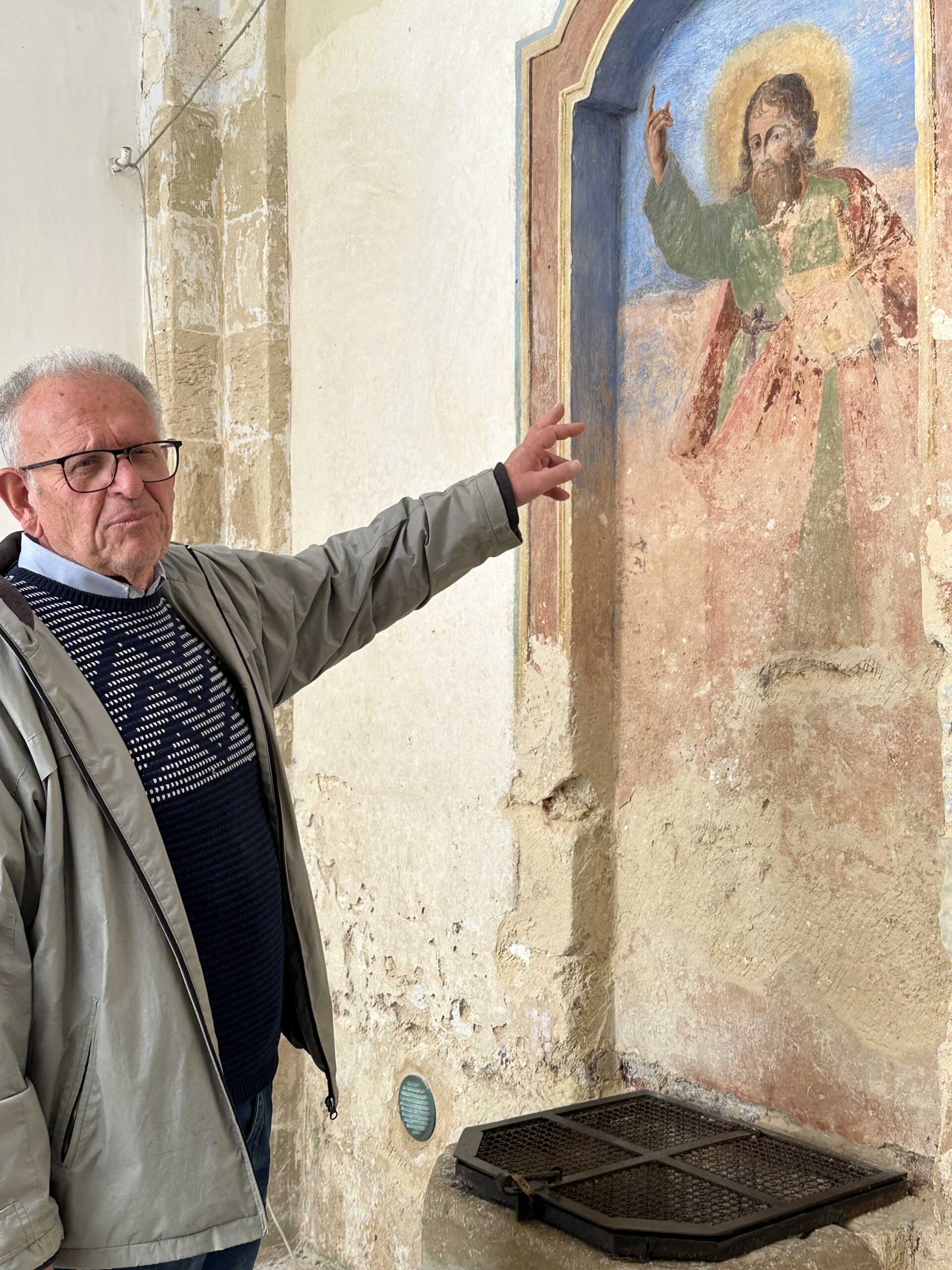
Visit St. Paul’s well and learn the history of Tarantella -the dance of the spider bite
Deep in the heart of Galatina’s historic center lies the Cappella di San Paolo, a site of profound mystical importance and the epicentre of the ancient cult of tarantism. For centuries, this small chapel and the adjacent St. Paul’s Well (Pozzo di San Paolo) served as a sanctuary for the tarantate—women believed to be afflicted by the legendary bite of the tarantula spider. According to Salento folklore, the only cure for this “poisoning” was a frenzied, rhythmic exorcism known as the dance of the spider bite, the precursor to the modern Pizzica and Tarantella dance.
Victims would travel from across the region to drink the well’s blessed water and dance for days to the hypnotic beat of tambourines and violins, seeking grace from St. Paul, the protector against venomous creatures. Today, visiting this site offers a rare look into the cultural heritage of Salento and the “Land of Remorse,” where sacred devotion and pagan ritual once blurred. For travelers seeking authentic hidden gems in Puglia, a stop at St. Paul’s Well provides a hauntingly beautiful connection to the origins of Italy’s most iconic folk music.
Saint Paul: The Protector from Venom
Saint Paul’s connection is more legendary and relates to his biblical survival of a viper bite on the island of Malta. Because of this, he became the patron saint of those bitten by poisonous animals.
The Miraculous Well: Legend says that during his travels, Saint Paul was hosted by a pious citizen in Galatina. To show his gratitude, the Saint blessed a well in the man’s courtyard, giving the water the power to heal anyone bitten by a tarantula or snake.
The Gift of Healing: It was believed that the descendants of this family (and anyone who drank the water and made the sign of the cross) were granted immunity or healing powers over venom.
Church of Saint Peter and Paul
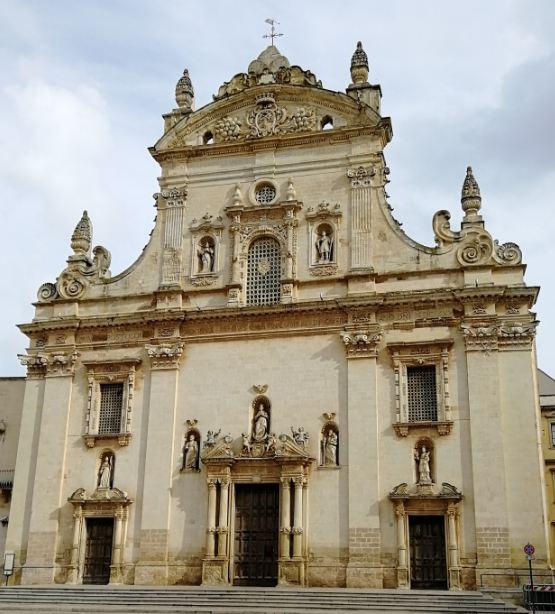
Saint Peter: The Resting Apostle
According to local tradition, Saint Peter stopped in Galatina around 42 AD during his long journey from Antioch to Rome to spread the Gospel.
The Sacred Relic: It is said he was exhausted and stopped to rest on a large stone block. This very stone—the “Keys of Peter”—is now enshrined and preserved inside the Mother Church (Duomo) of Galatina.
The Naming of the Town: For centuries, the town was officially known as “San Pietro in Galatina” in honor of this visit, and Saint Peter is considered the primary spiritual founder of the community.
Casual dinner at La Concerceria
This pizzeria and osteria is regarded as one of the best
restaurants in town. Situated in a large masseria on the edge of Galatina, it combines great food and entertainment with a pleasant tree-filled outdoor space. It’s possible to walk from the house (about 20 minutes), but there is plenty of parking available. +39 0836 210601 (Via Varese 57, Galatina)
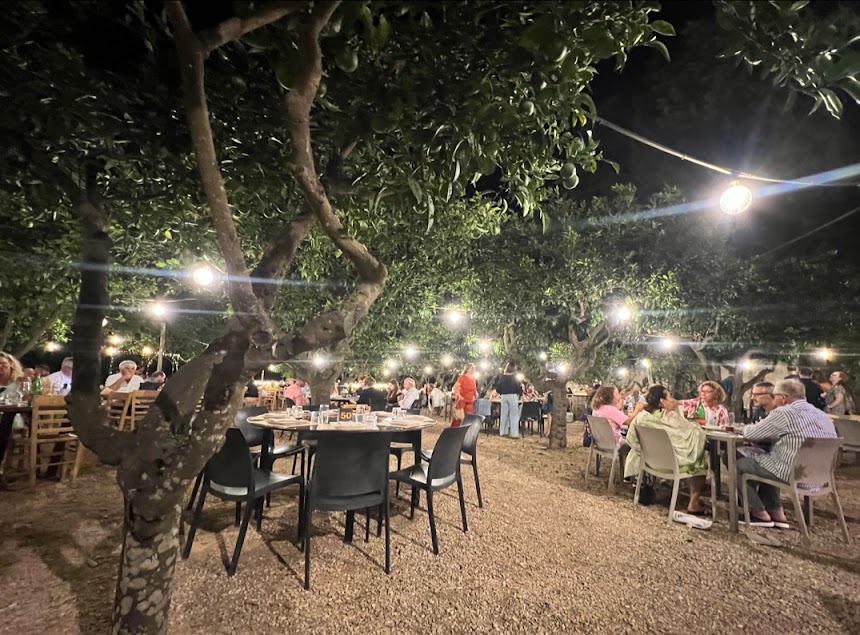
There are a number of pubs and bars in the main square if you still have some energy!
Day 2
Explore Galatina, Castello Monaci Wine experience, Salina dei Monaci nature reserve
Go to Pasticceria Andrea Ascalone
Pasticciotto, were invented in Galatina- and currently the 11th generation is serving this cream filled pastry to the community. This shop is considered the birthplace of Puglia’s most iconic pastry: the Pasticciotto. Stepping into this historic shop feels like traveling back in time, offering an atmosphere that is as authentic and “old-world” as the recipes themselves. A great hidden gem in authentic Puglia.
While they may be offered in many locations- don’t be swayed…
We call them ‘Imposter’cciottos. Get the real deal right here in Galatina!
Enjoy a wine experience and lunch at Castello Monaci
Located in Salice Salentino, this castle is also a winery. Surrounded by vineyards and olive groves, it is renowned for its wines and as a wedding and event destination. The castle was built in the 16th century on medieval foundations and was once a place of worship and refuge for Basilian monks. This is where the name “Monaci,” meaning “monks” in Italian, originates. Castello Monaci offers tastings of their award-winning Primitivo and Negroamaro wines. Their tasting room overlooks the vineyards and the historic castle, providing a picturesque setting for wine lovers.
(Wine experiences are a good event for a personal driver- we can help)
Located in Salice Salentino, this castle is also a winery. Surrounded by vineyards and olive groves, it is renowned for its wines and as a wedding and event destination. The castle was built in the 16th century on medieval foundations and was once a place of worship and refuge for Basilian monks. This is where the name “Monaci,” meaning “monks” in Italian, originates. Castello Monaci offers tastings of their award-winning Primitivo and Negroamaro wines. Their tasting room overlooks the vineyards and the historic castle, providing a picturesque setting for wine lovers.
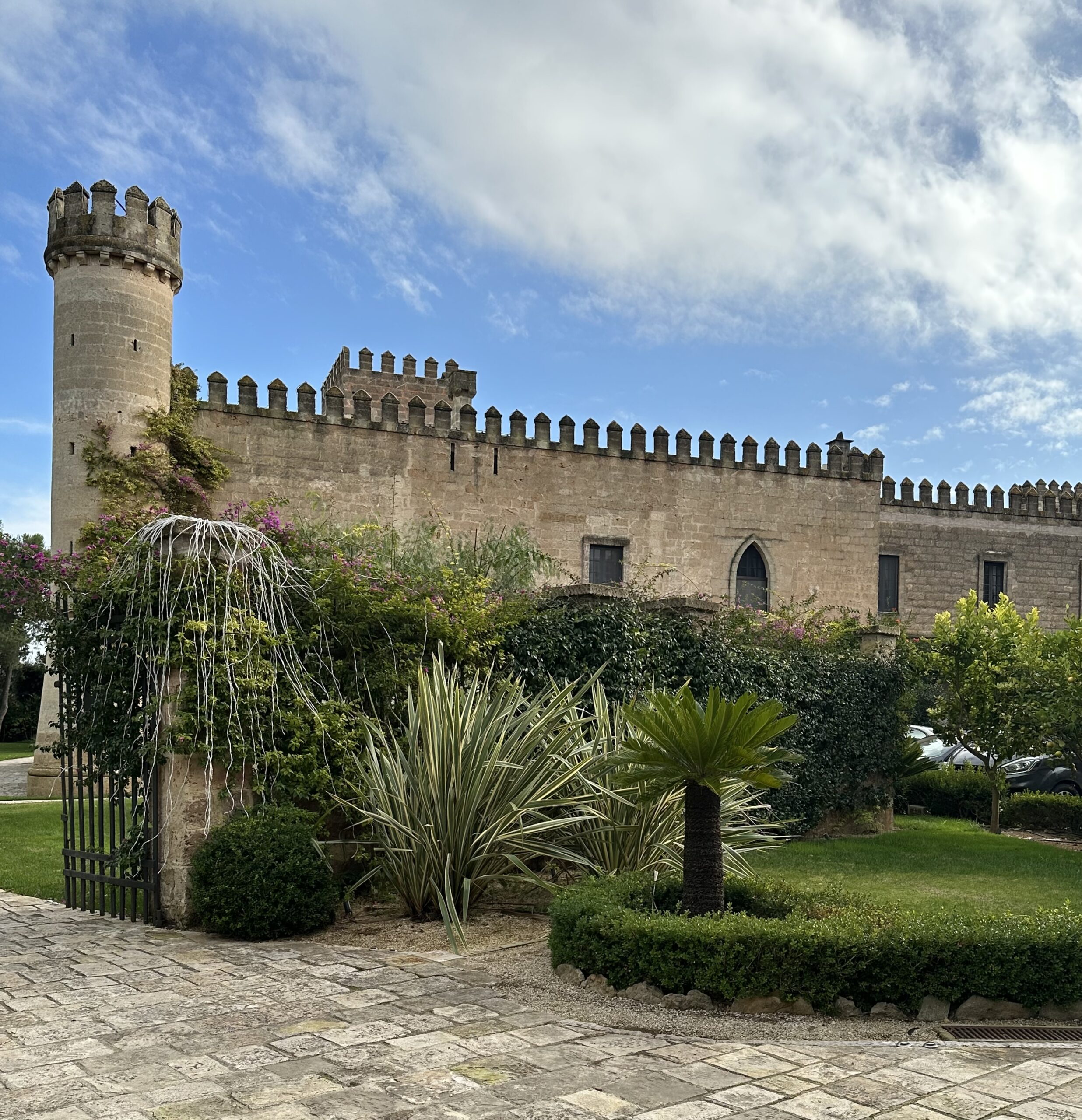
Learn about Puglian wines and wine estates
Visit Salina dei Monaci nature reserve
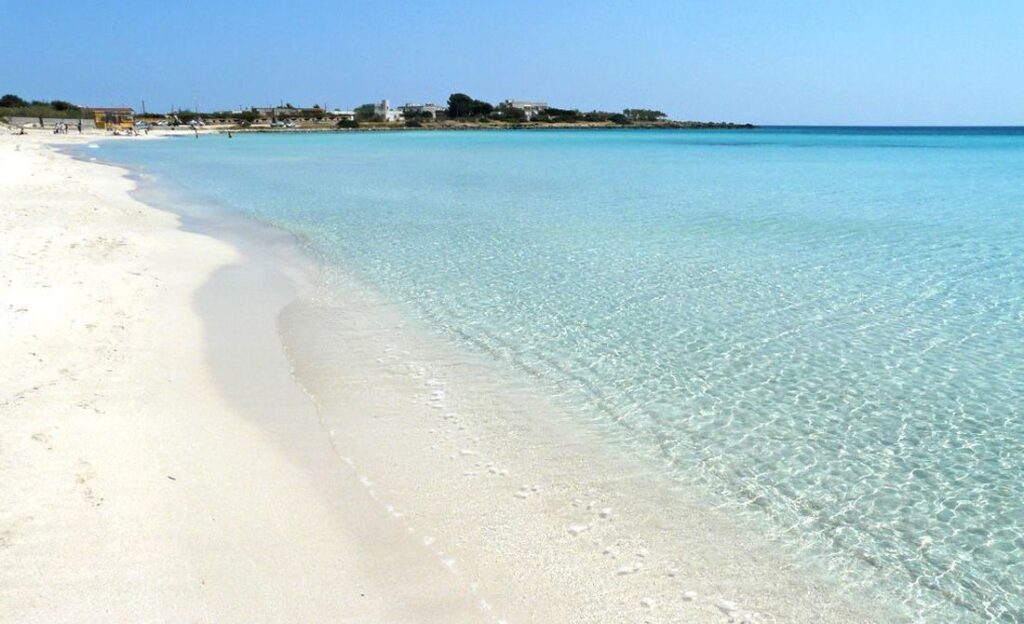
Salina dei Monaci Nature Reserve offers a rare, pristine blend of a historic saltwater lagoon, a protected bird sanctuary, and a completely undeveloped white-sand beach. Located near Torre Colimena on the Ionian coast, this protected oasis lets you experience Salento’s wild, raw coastal beauty away from the highly commercialized beach lidos. (20 minutes from the castle)

-
- The Pink Flamingos: The shallow tidal basin is a famous sanctuary for migratory birds. Large flocks of greater pink flamingos feed in the waters, making it a premier destination for birdwatching.
-
- Pristine Free Beach: A majestic line of towering sand dunes covered in wild juniper, myrtle, and mastic separates the lagoon from the sea. Over the dunes lies a spacious, free sandy beach with clear, turquoise water.
- Scenic Boardwalk Trail: A wooden boardwalk trail winds between the beach dunes and the lagoon. It provides a peaceful route for walking or cycling with great vantage points for photography.
- Monastic History: The site gets its name from the Benedictine Monks who managed these historic salt pans starting in the medieval era until 1404.
-
- Timing Matters: Birdwatching is best during spring and autumn migrations. By late summer, the lagoon can dry out substantially, meaning fewer flamingos, though the beach remains spectacular.
- Zero Facilities: Because it is a strictly protected reserve, there are no beach chairs, umbrellas, or restaurants on the sand. Bring your own water, sun protection, and snacks.
- Parking: Paid parking is available near the entrance close to Torre Colimena for around 1 euro per hour. From there, you access the reserve via a short, dedicated walking path.
- One hour return trip to Galatina
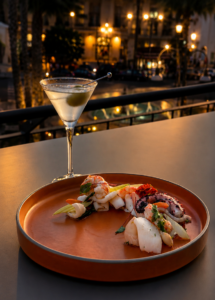
Enjoy a rooftop dinner overlooking Gorgeous Galatina at Cast 1845
This brand new restaurant completely redefines Salento’s late-night scene by blending sophisticated mixology, light contemporary dining, and live musical performances right on the town’s vibrant main square. Situated inside a beautifully structured space at Piazza Alighieri 6, it acts as an energetic yet upscale nightlife oasis where you can unwind after a day of absorbing Galatina’s historic charm.
More on Galatina
Day 3
Galatina, a Massage, and Pasta making lessons
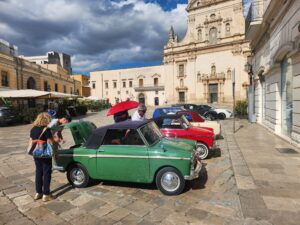 Enjoy a Cappuccino, and pastry to start your day in the town Square- It is a great place to people watch
Shop and explore Galatina- get lost in Cento Storico- the cobblestone streets, the galleries, the beautiful architecture- and hidden treasures all over
Siesta
Enjoy an appointment with massage therapists at their studio or in your home
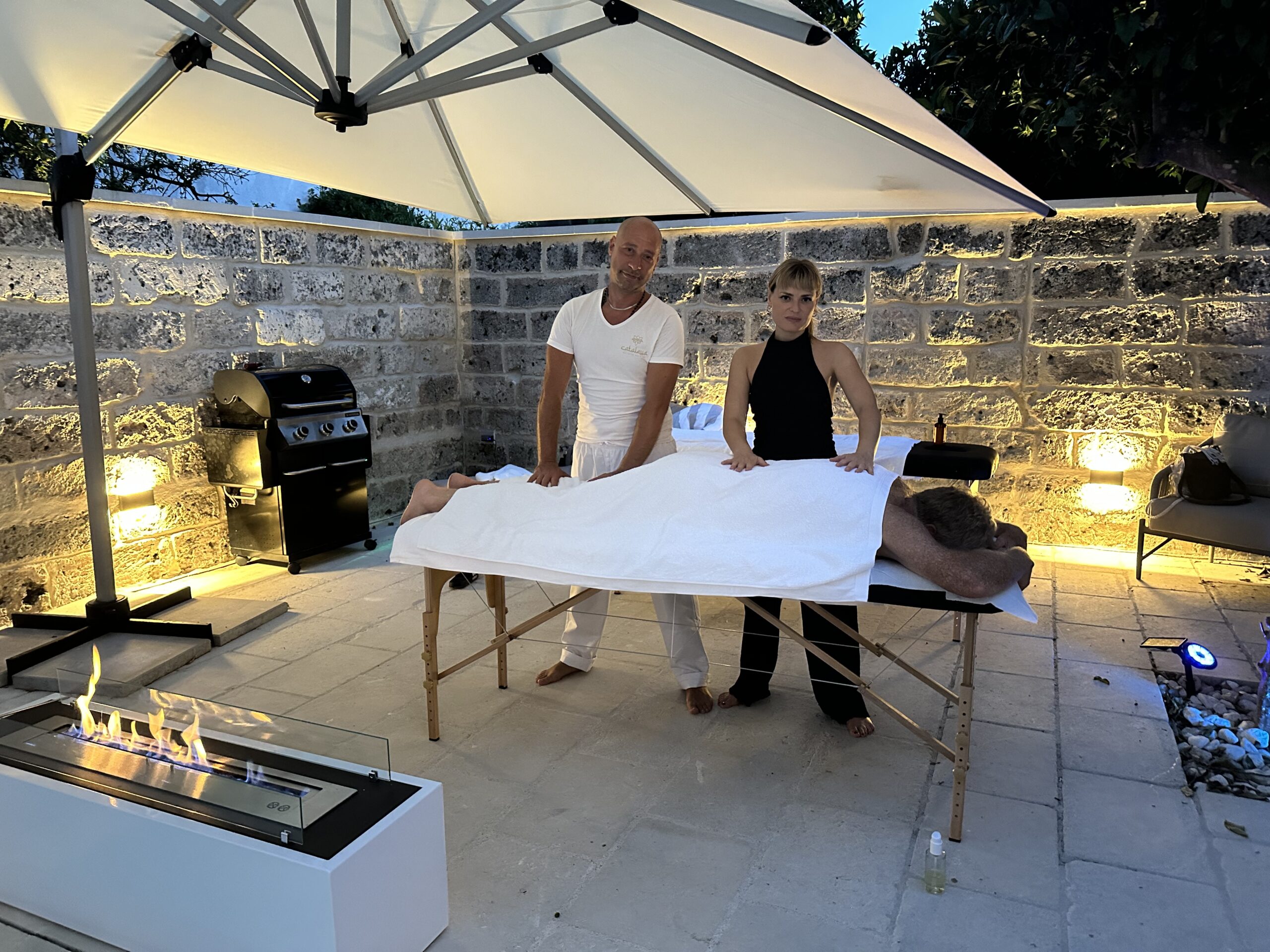
Massage by the private pool at Essenza Garden and Spa
Pasta making lessons in Corilgiano d’ Otranto
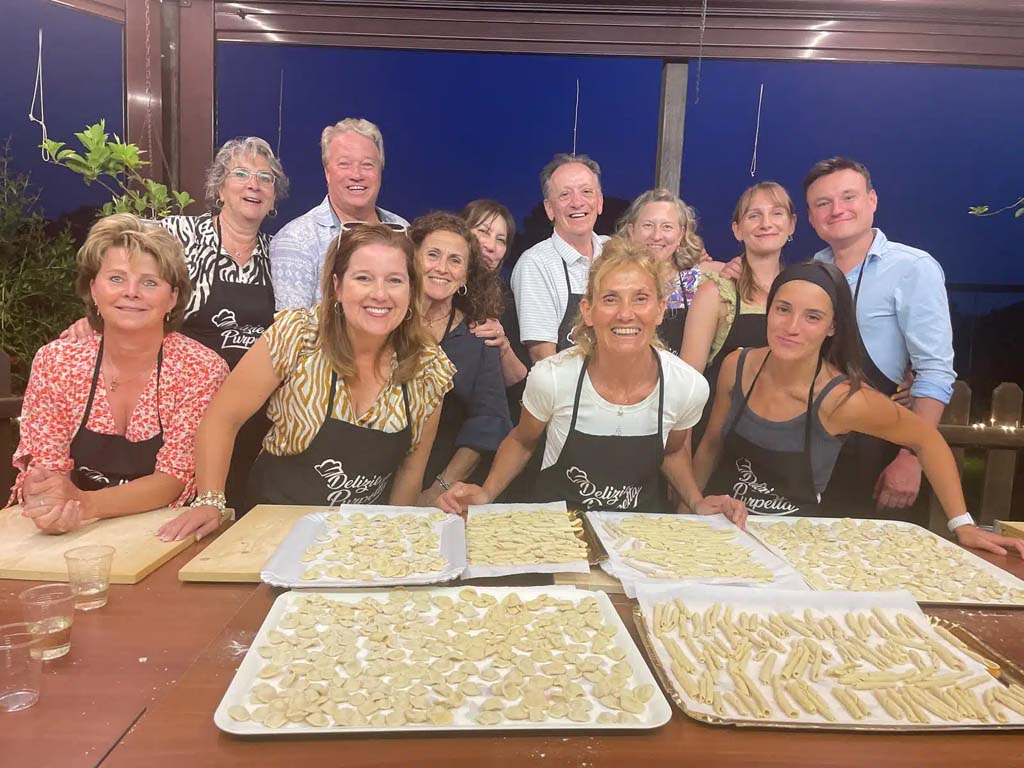
Enza and Antonio offer an authentic Italian home experience with culinary expertise that features a deep connection to the traditions of Salento – the people, the land and its history. You will learn to hand-roll the iconic “little ears” of Puglia—Orecchiette—alongside Maccheroncini. These shapes are specifically designed to capture the robust, vegetable-forward sauces characteristic of the region. These lessons are like an international dinner party in a locals home- great food and wine- and very fun hosts.. expect people to break out in song.
Day 4
Relax at a beach lido in Port Cesareo, Dinner in Galatina
Try a relaxing Beach day at Togo Beach Bay– near Port Cesareo.
This premier beach club in the Salento region, features crystal-clear, turquoise waters that rival the Caribbean. It is located near Port Cesareo and set against a backdrop of natural sandy dunes and Mediterranean scrub, offering an upscale yet tranquil seaside experience. The Lido is known to pamper their guests and feature upscale dining. Be sure to make a reservation.
Here are other Favorite Beach Recommendations
Siesta in the late afternoon
Aperitivo on the rooftop or local pub
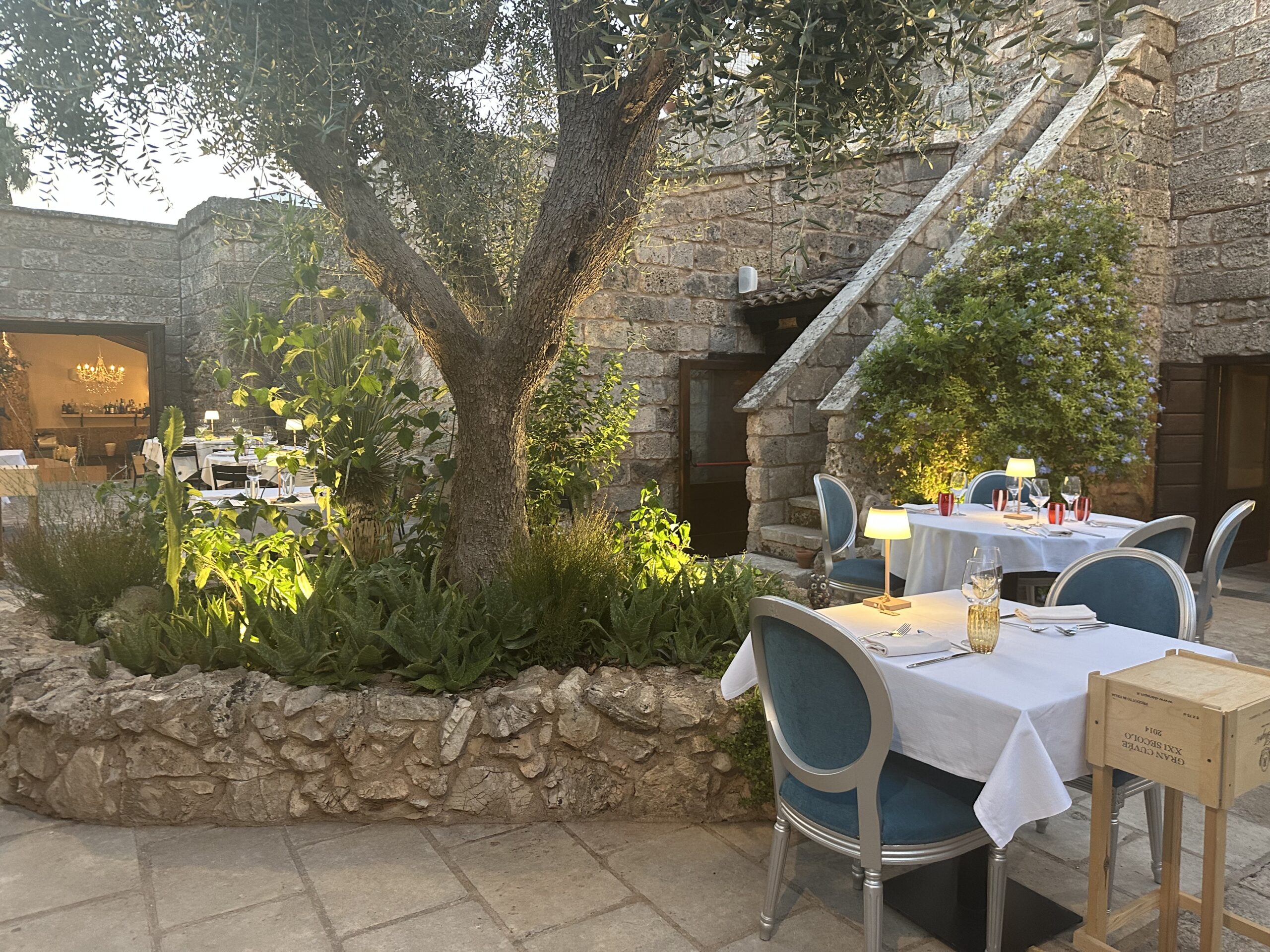
Dinner on the terrace at Il Fienele in Galatina
Day 5
Enjoy Otranto and Castro
Drive to Otranto and see the Cathedral of 800 Martyrs
The Duomo di Santa Maria Annunziata, or the Cathedral of Otranto, is one of Puglia’s most profound historical and artistic sites. It is famous for a collection of unique features that blend high medieval art with a tragic and significant local history, making it a site of both beauty and deep reflection.
 Extraordinary Tree of Life Mosaic
Covering the entire length of the floor, this 12th-century masterpiece is one of the largest and most well-preserved medieval mosaics in Europe. It depicts the “Tree of Life,” incorporating an incredible mix of biblical stories, mythological figures like King Arthur and Alexander the Great, and exotic animals.
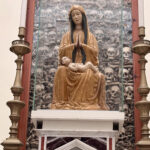
The Chapel of the Martyrs
This poignant space houses the remains of 813 citizens—the Martyrs of Otranto—who were beheaded by Ottoman invaders in 1480 for refusing to renounce their faith. Their skulls and bones are displayed in seven large glass cases, serving as a powerful symbol of the city’s resilience.
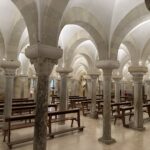
Architectural Gem of a Crypt
Located beneath the main altar, the 11th-century crypt is a forest of 42 monolithic marble and granite columns. Each column is topped with a unique capital, ranging from Ionic to Persian and Egyptian styles, designed to make pilgrims from all over the world feel at home.
Martyrdom Rock
Tucked behind the altar in the Chapel of the Martyrs is the actual stone where local tradition says the beheadings took place on the Hill of Minerva before the remains were moved to the cathedral.
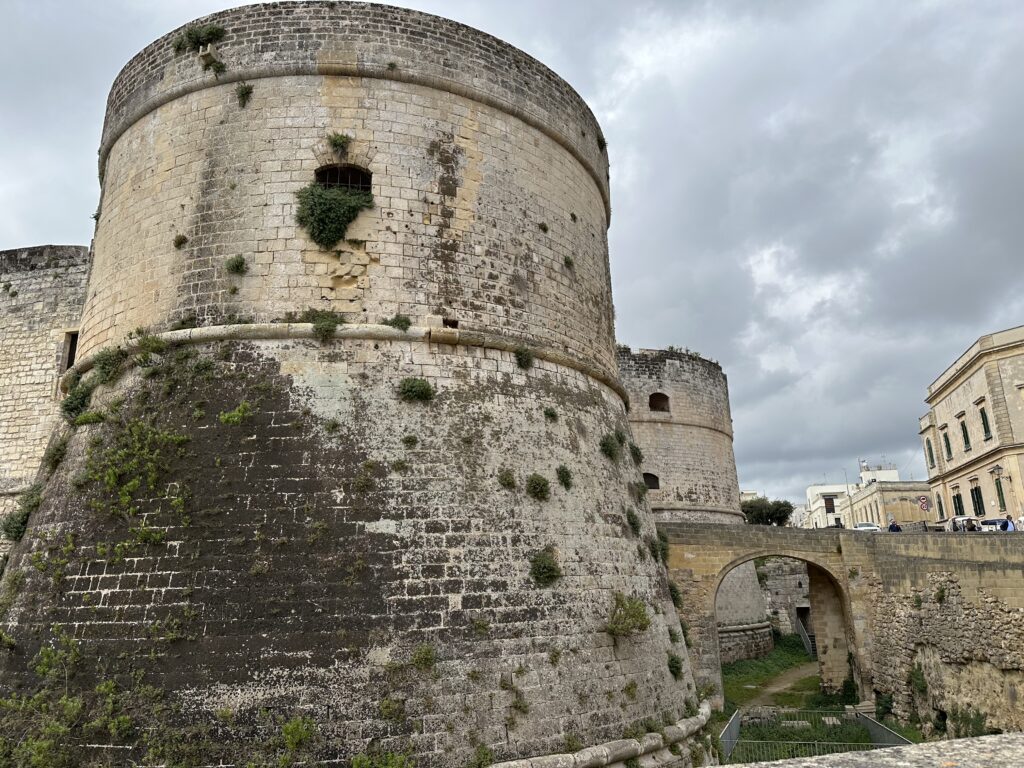
Enjoy walking around the castle and seeing all the shops
Touring the Argonese Castle of Otranto offers a chance to explore a military architecture that has served as a pivotal defensive point for centuries. Known as the “Gateway to the East,” the fortress is a centerpiece of the city’s historic identity, famously providing the inspiration and setting for Horace Walpole’s 1764 work The Castle of Otranto, which is recognized as the world’s first Gothic novel.
Evocative Underground Network
Guided tours allow you to descend into a well-preserved world of 15th-century tunnels, secret passages, and chambers. These areas remained largely unchanged over hundreds of years and offer a firsthand look at the strategic layout used to survive long sieges.
Unique Architectural Details
Visitors can walk through the “Triangular Hall,” a celebrated example of military design, and see the “Diamond Point” bastion. The structure’s irregular pentagonal shape and massive circular towers were specifically engineered to withstand the evolving power of firearms during the Renaissance.
Panoramic Adriatic Vistas
Scaling the castle’s ramparts and towers provides some of the best vantage points in the city. On clear days, the views extend across the turquoise waters of the harbor, and you can sometimes even spot the mountains of Albania across the Strait of Otranto.

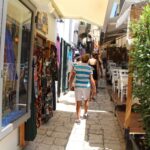 Restaurants and shops:
The restaurants nestled against the castle walls offer a unique atmosphere where you can dine in the shadow of the massive stone bastions, often with views of the turquoise Adriatic. The streets branching out from the castle are filled with independent boutiques that specialize in high-quality, handcrafted goods rather than generic souvenirs.
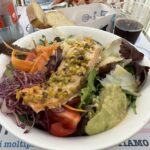 ‘SoFish’ is a great casual lunch spot
Fresh, casual, and creative take on Salentine seafood. Located on the vibrant Corso Garibaldi, it stands out for its modern “fish bar” concept that bridges the gap between traditional seafood restaurants and contemporary street food. Corso Garibaldi, 39, 73028 Otranto LE, Italy
Drive to Castro on your way back and tour around the Centro Storico
Stroll through historic Castro
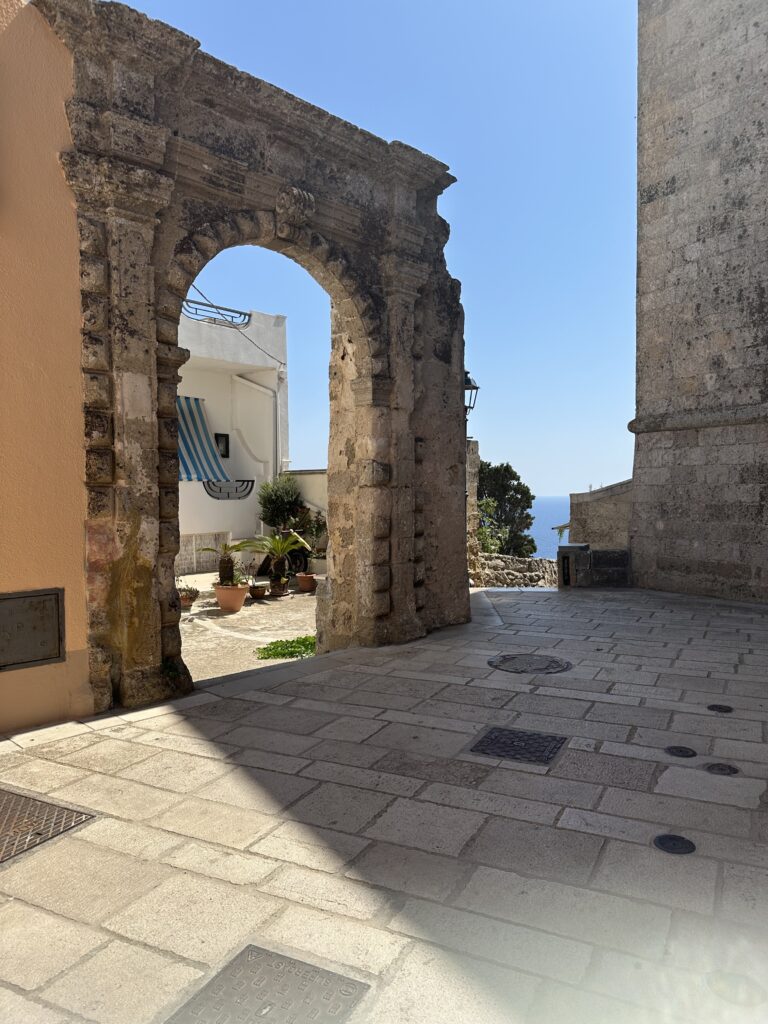
Often called the “Pearl of Salento,” Castro is a stunning vertical town in Puglia that offers a perfect mix of ancient mythology, dramatic coastal landscapes, and authentic Italian slow living.
The town is uniquely split into two parts: Castro Superiore, a medieval hilltop village with a 12th-century cathedral and a massive castle, and Castro Marina, a sparkling harbor town known for its crystal-clear waters and natural sea caves.
Castro is steeped in history; it is widely believed to be the landing site of the Trojan hero Aeneas and was once home to a majestic Temple of Athena.
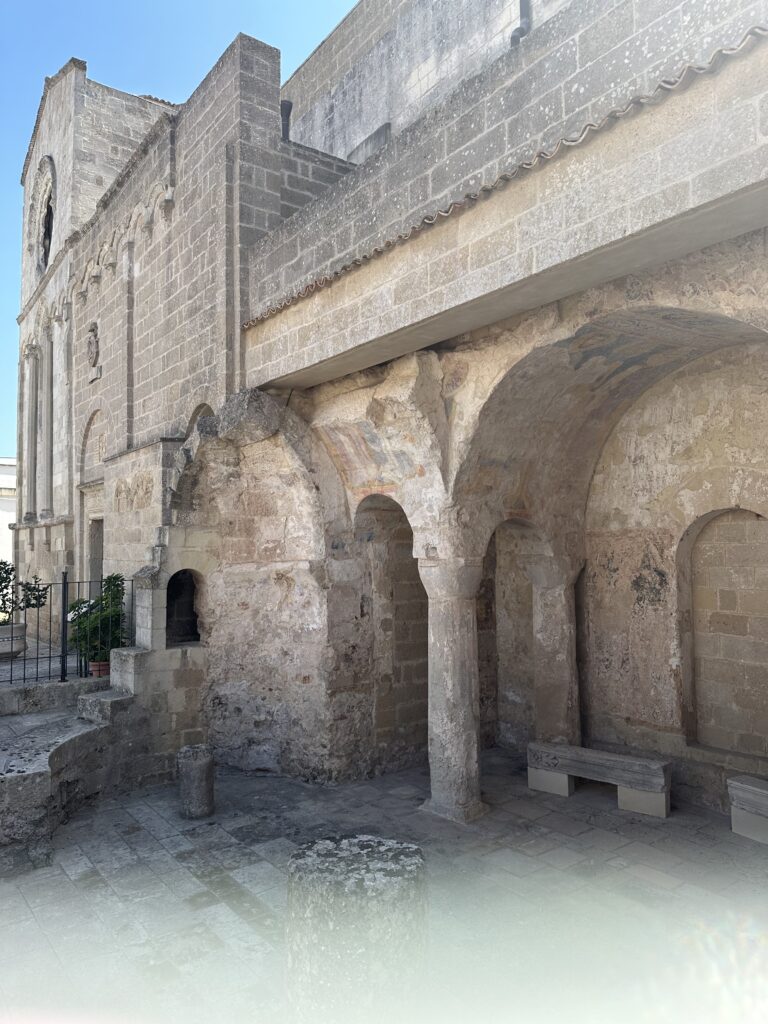
Aragonese Castle of Castro
This 13th-century fortress dominates the town’s skyline and houses an archaeological museum where you can see the remains of the ancient Temple of Athena.
Passeggiata delle Mura
Visitors highly recommend a stroll along the historic fortifications at dusk, which offers panoramic views of the Adriatic Sea toward Albania.
The Cathedral of the Annunziata
Built in 1171 on the ruins of a Greek temple, this Romanesque church features a beautiful facade and sits in a picturesque square that becomes the heart of local life in the evening.
Favorite Restaurant in Castro
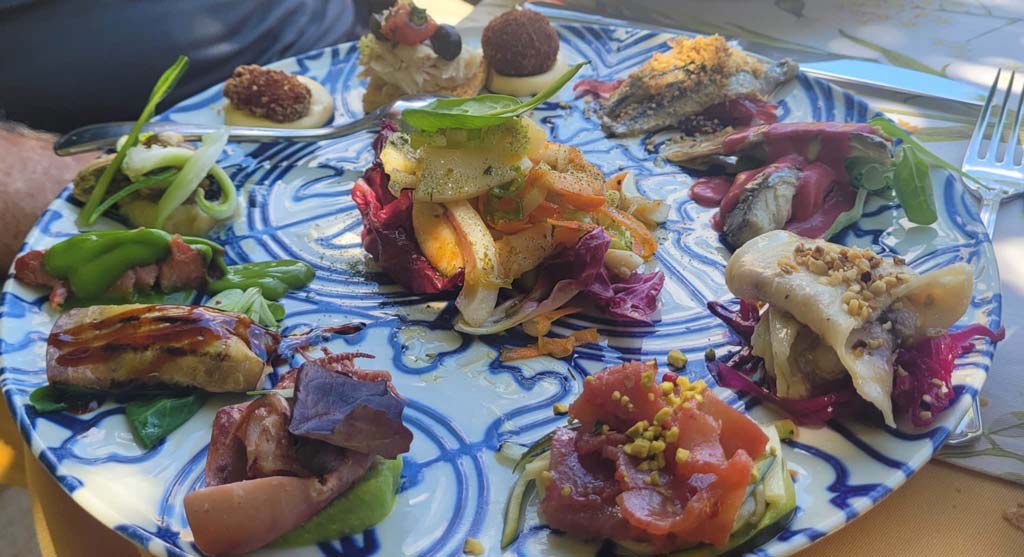
Renowned for its dedication to traditional Puglian cuisine and fresh, locally sourced ingredients, Da Amedeo is just a few minutes walk from the central square, and definitely made worthwhile by the food. Lovely atmosphere and back garden patio. Nice seafood menu, and a good wine list. Highly recommend the Seafood Starter. Via Sant’Antonio 46, 73030 Castro Italy +39 0836 947040
Meet Amedeo- Ristorante Del Salento
Day 6
Lecce
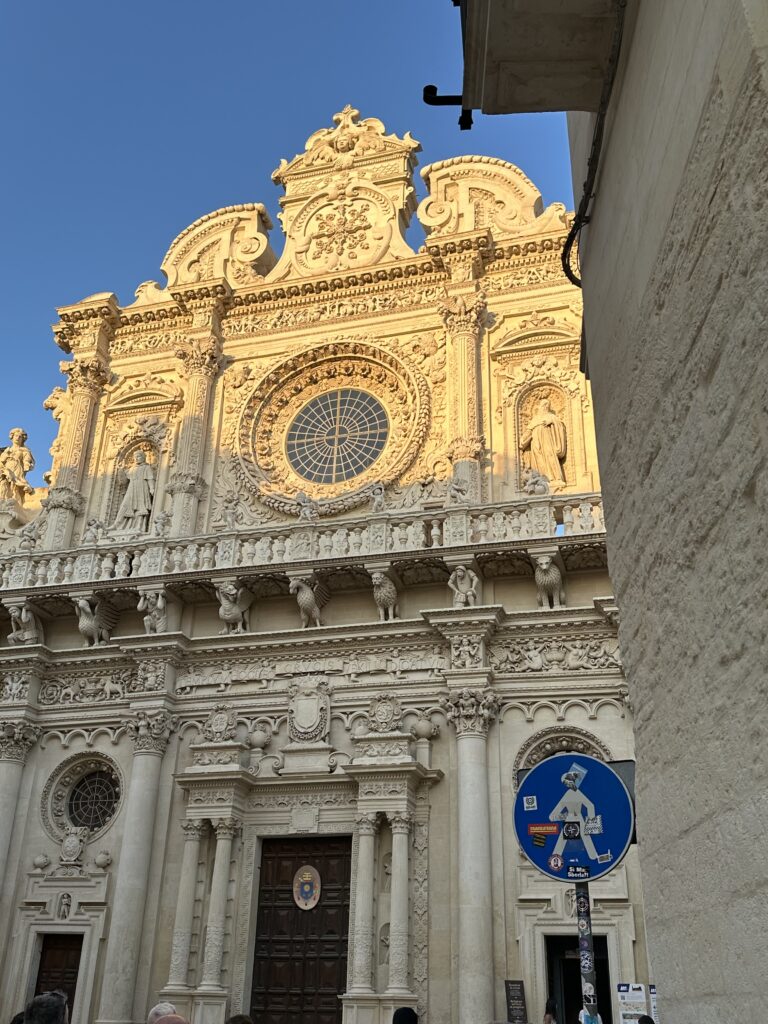
Drive or take the train to Lecce and tour the beautiful Centro Storico
Often called the “Florence of the South,” Lecce is the crown jewel of the Salento peninsula. It is a city where history is literally carved into the golden sandstone of its buildings, creating a theatrical atmosphere that feels like a film set.
Whether you are a fan of intricate architecture, high-end Italian fashion, or the rustic flavors of the Mediterranean, here is why a Lecce Italy travel itinerary should be at the top of your list for 2026.

The Masterpiece of “Barocco Leccese”
Lecce is world-renowned for its unique take on Baroque architecture. The local “Lecce stone” is so soft that 17th-century artisans were able to carve impossibly intricate details into the city’s facades.
Must-See Site: The Basilica di Santa Croce is the pinnacle of this style, featuring a dizzying array of cherubs, mythical beasts, and floral wreaths.
Piazza del Duomo: One of the most beautiful enclosed squares in Italy, it is a perfect example of a historic Italian city center that glows golden under the evening sun
Ancient Roman Ruins in Plain Sight
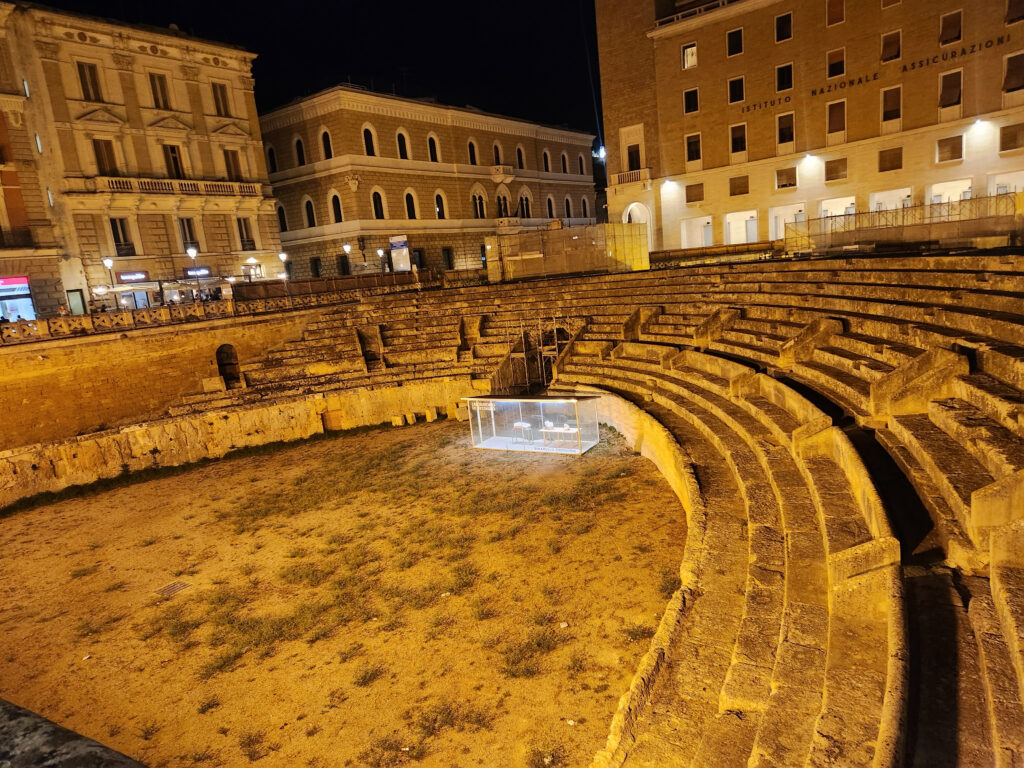
Walking through Lecce feels like moving through layers of time. Right in the middle of the modern shopping district, you’ll find a remarkably preserved Roman Amphitheatre dating back to the 2nd century AD.
Exploring the ancient Roman ruins in Puglia is effortless here, as the theatre and a smaller Roman theatre nearby are integrated into the daily life of the city.
A Hub for “Cucina Povera” and Gourmet Dining
Lecce is the ultimate destination for foodies looking to experience authentic Apulian flavors – gourmet dining or street food, Lecce has flavors to explore
Lunch in Lecce
go to La Cucina di Mamma Elvira (Via Ludovico Maremonti 33)- offering authentic local tastes and outdoor terrace seating.
or 300 Mila– a high-end bar, cafe and restaurant that blends Salento traditions with an international style.
Apertivo in Lecce
Sunset -at the Patria Rooftop Bar
Best picks for dinner in Lecce
La Putea Tucked away on Via Principi di Savoia, it specializes in authentic Salentine and Southern Italian regional cuisine, offering a cozy indoor setting and a beautiful outdoor courtyard seating area Via Principi di Savoia 4/6, Lecce, Italy, 73100
or 00 Doppiozero Elegant dining hall with arched ceilings & wood accents, making antipasti & homestyle meals. Via Guglielmo Paladini, 2, 73100 Lecce LE, Italy Phone: +39 0832 521052
(The train is a good option- but the last train may leave Lecce by 11pm- Check schedules)
More on Lecce
Great touring- great shopping-great dining-Such a romantic Baroque city -Many bars and clubs
Day 7
Galatina, Santa Maria di Leuca
Pastries on the square- Stroll the beautiful cobblestone streets
Drive down the coast and experience the magnificent coastline- starting from Santa Maria el Bagno
Boat Cruise through the caves around Santa Maria di Leuca
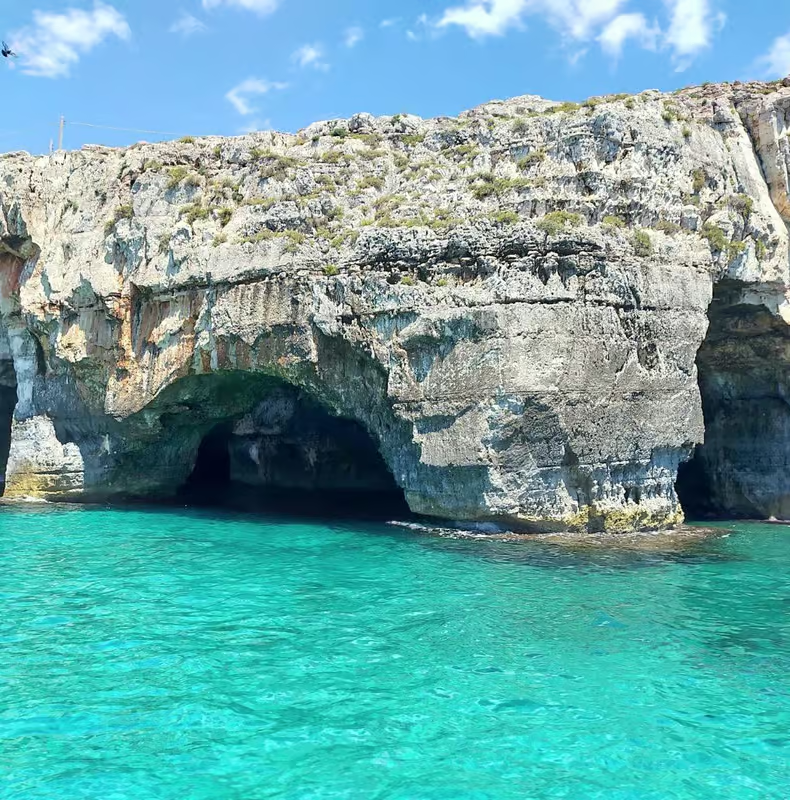
Learn more about Santa Maria di Leuca
Try Taverna del Porto for dinner
A dinner at Tavern del Porto in Tricase Porto is a quintessential Salento experience, celebrated for its deep-rooted connection to the sea and its family legacy. Originally a family fish market, it has evolved into a stylish and highly-regarded restaurant where the “sea is in the veins” of the owners, who source their catch daily from their own father, a local fisherman. The atmosphere is poetic and relaxed, featuring white tablecloths and natural materials that glow in the late afternoon southern light. Lungomare Cristoforo Colombo, 121, 73039 Tricase Porto LE, Italy Phone: +39 0833 775336
Alternative Day 1
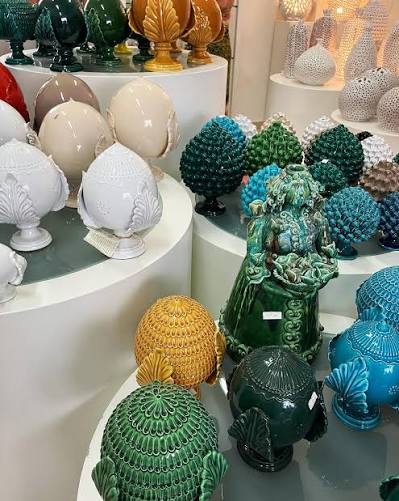
Start your day making or buying Ceramics in Cutrofiano
One of the most famous areas for Italian ceramic art is Cutrofiano. Check out New Coli Srl (viaProv, le per Corigliano D’Otranto
or Fratelli Coli’ (Viale della Ceramica) to start- but there are many more.
Visit the castle and walk the beautiful streets of Grecia (Italian/Greek) city in Corigliano d’ Otranto
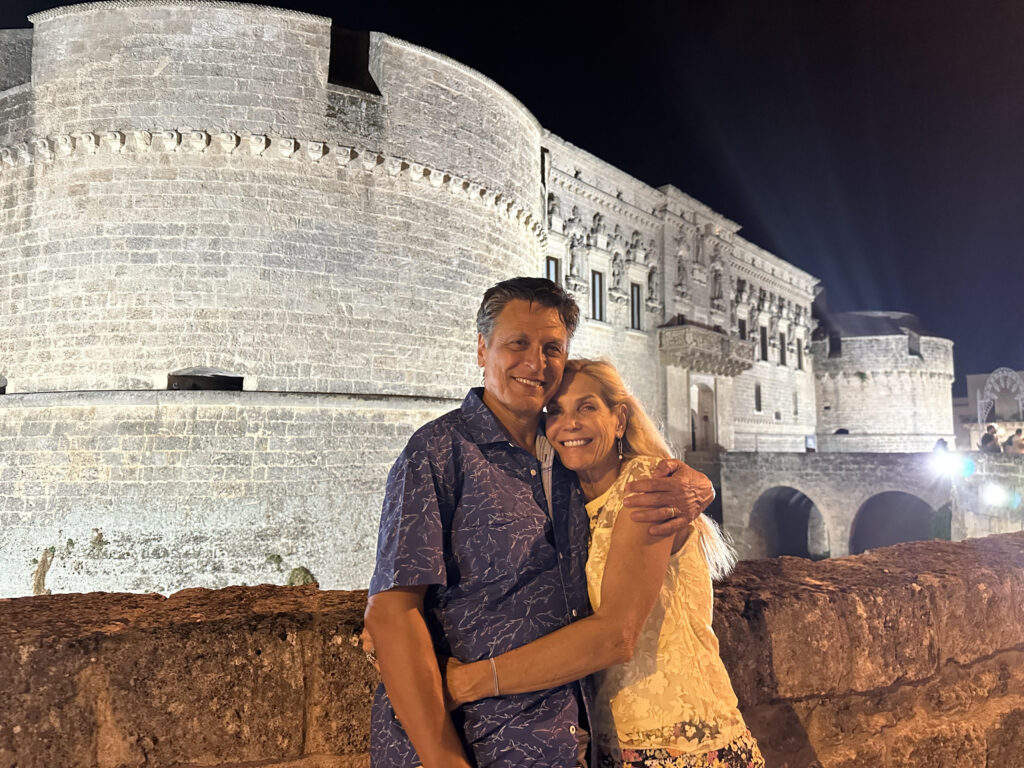
Corigliano d’Otranto is a hidden gem in the heart of the Salento peninsula, offering a rare blend of ancient Greek heritage, Baroque artistry, and authentic Mediterranean charm. Known as a centerpiece of the Grecìa Salentina, it is the ultimate destination for travelers seeking a deep dive into the cultural traditions of Southern Italy.
Castello de’ Monti
The town’s crown jewel is the Castello de’ Monti, arguably the most beautiful military fortification in the region, one of the Best preserved medieval castles in Puglia Italy. Unlike standard stone forts, this castle features an ornate Baroque facade decorated with statues and philosophical inscriptions. Today, it serves as a contemporary cultural hub, hosting jazz festivals, art exhibitions, and open-air cinema nights within its historic walls.
Immerse Yourself in Griko Culture
Corigliano is one of nine towns where the ancient Griko dialect (a mix of Greek and Italian) is still honored.
Cultural heritage tours in Grecìa Salentina. Walking through the borgo antico (historic center), you’ll see bilingual street signs and hear traditional folk music. It’s an authentic off-the-beaten-path experience that feels worlds away from the crowded tourist traps in other parts of Italy.
Discover the Symbolism of Arco Lucchetti
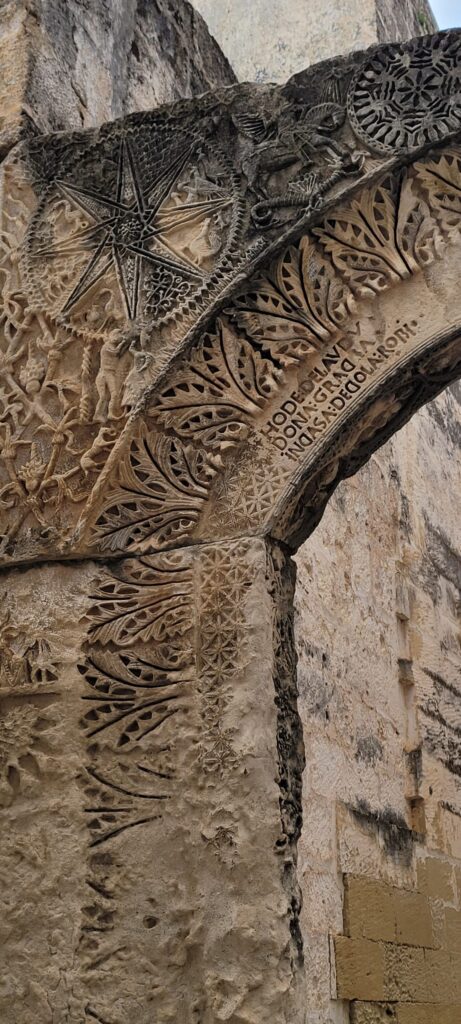
Architecture lovers will find hidden treasures in the narrow alleys, specifically the Arco Lucchetti.- a hidden architectural gems in Salento Italy. This 15th-century arch is covered in intricate, mysterious carvings depicting religious, esoteric, and mythological symbols. It is one of the most photographed historic landmarks in Corigliano d’Otranto and a testament to the town’s medieval craftsmanship.
(7 minutes from Galatina)
Gin and tonic at Bar Castello
Bar Castello serves as a social heart for both locals and travelers, offering a front-row seat to one of Salento’s most beautiful architectural landmarks. The bar is the perfect spot for an “aperitivo with a view,” where the golden Lecce stone of the castle glows as the sun sets.
Dinner at Sinodia Ristorante
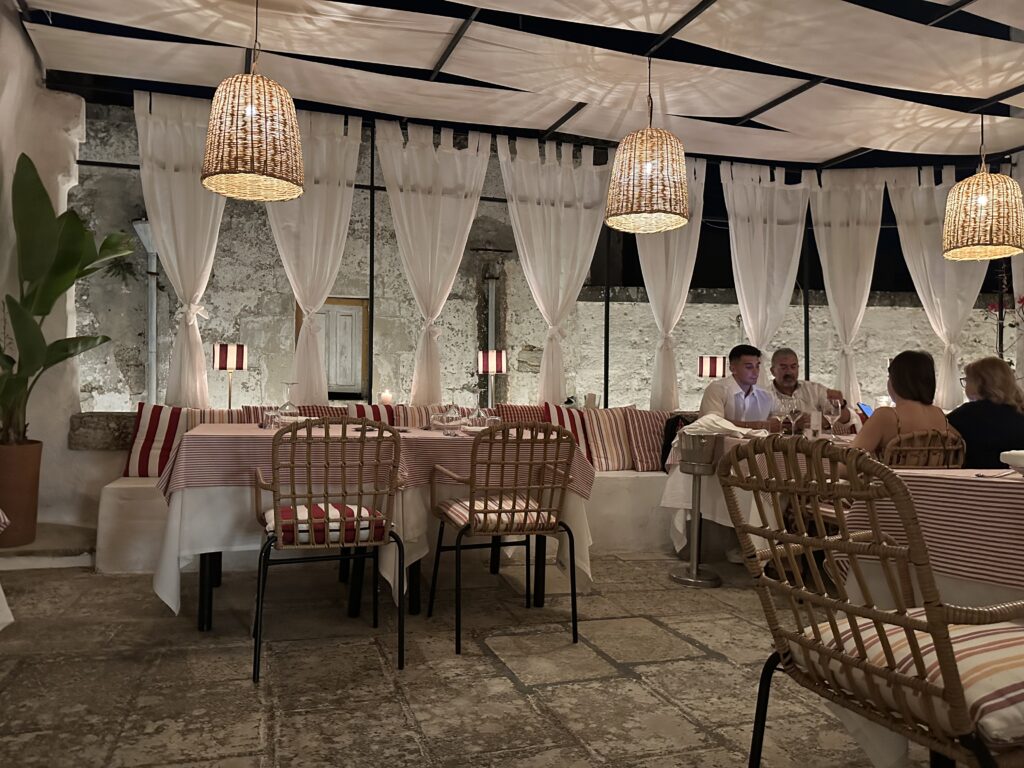
Sinodia is a premier culinary destination in Corigliano d’Otranto, celebrated for blending the rich history of Salento with innovative, high-end Mediterranean cuisine. Located within a beautifully restored underground olive oil mill (frantoio ipogeo) dating back to 1350, the restaurant offers a “time-travel” atmosphere that is both intimate and sophisticated.
Visitors are drawn to its romantic setting, where white stone walls are illuminated by soft candlelight and flowing white curtains, creating a backdrop that is magical and unforgettable.
Great Alternate Days to enjoy in Salento
There are so many possibilities, great options that are interest and weather specific
If you come during the Christmas season- check out this guide
Alternate Day 2 (This is a drive)
Alberobello, and Personal Chef dinner
Visit the fairy-tale town of Alberobello
This didn’t make my top 7 because it is a bit of a drive and pretty touristy- but it is spectacular. It is a bout an hour an 40 minutes- but it is like a fairyland
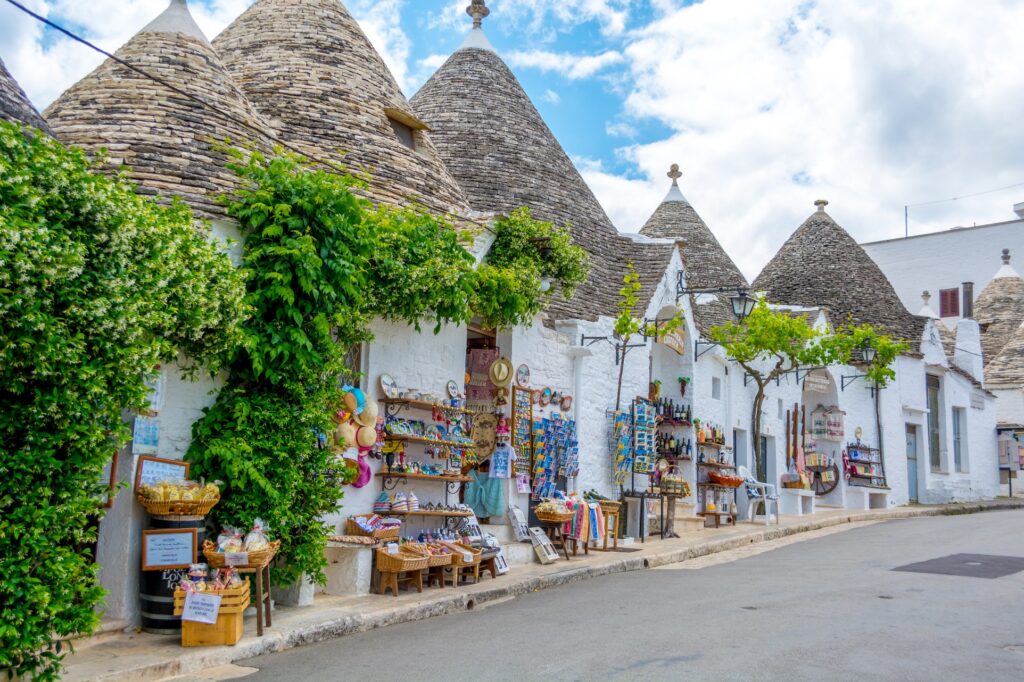
Trulli houses in Alberobello, Italy are special because they are unique, cone-shaped buildings made of limestone and typically topped with a conical roof. These traditional structures date back to the 14th century and are specific to the Apulia region of Italy.
The origin of Trulli houses is thought to be linked to a tax loophole in the past. By constructing houses without using mortar, the local villagers could dismantle them quickly when tax collectors came around, thus avoiding paying property taxes. Over time, this style of architecture became ingrained in the local culture and continues to be a unique feature of the region. The Trulli houses in Alberobello are now a UNESCO World Heritage site and a popular tourist attraction.
Alternative Day 3- Beaches and Baroque
Port Selvaggio and Nardo, Santa Maria al Bagno
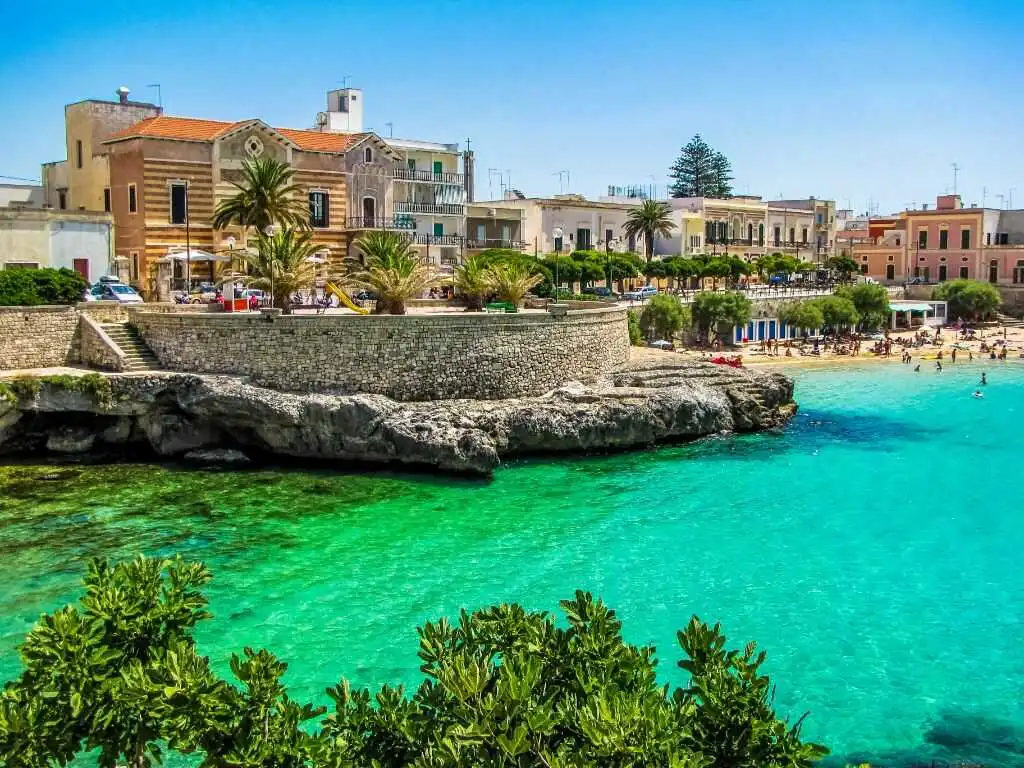
Visit the natural park of Port Selvaggio for swimming or sight seeing. Explore the Baroque town of Nardo, and Beautiful Santa Maria al Bagno
The park is a protected natural paradise covering over 1,100 hectares of pine forest, limestone cliffs, and turquoise waters.
Pristine Coastal Trails: The park features extensive hiking and biking paths through Aleppo pine forests that lead to secluded rocky coves.
Unique Swimming Experience: The water in the main bay is famous for being exceptionally clear and refreshing, partly due to cold freshwater springs that emerge directly into the sea.
The town of Nardò serves as an elegant cultural anchor for the area, boasting a historic center that is considered one of the most beautiful in the Puglia region.
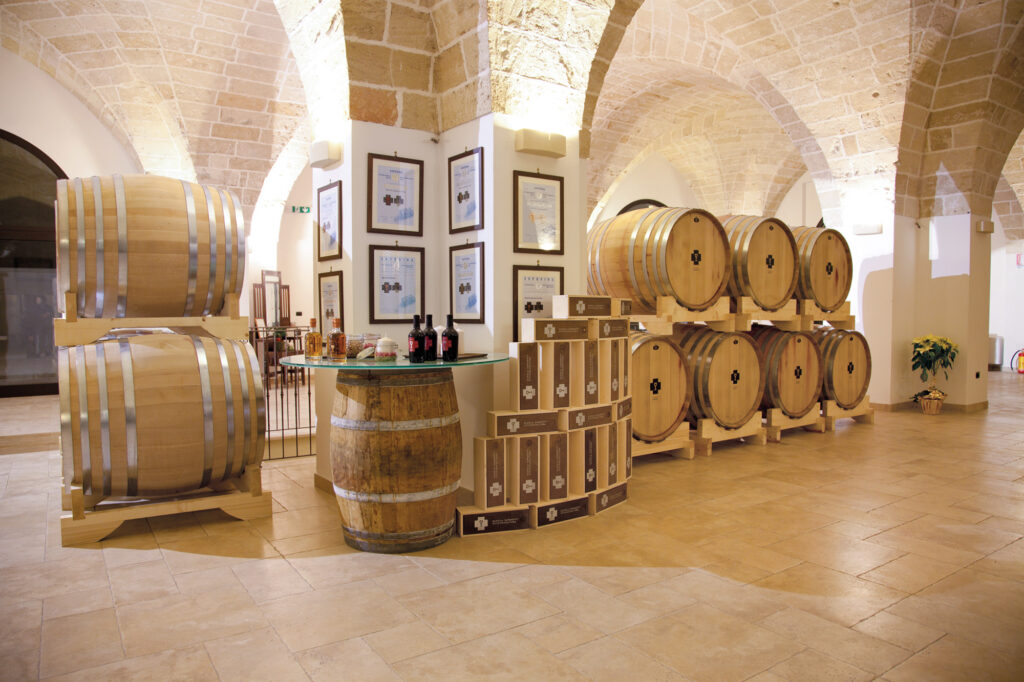
Visit winery Schola Sarmenti
Schola Sarmenti is a renowned, family-owned winery located in Nardò, Italy, just a short drive inland from the coastal village of Santa Maria al Bagno. Housed in a beautifully restored mid-19th-century wine factory, the estate is celebrated for preserving traditional Salento viticulture, particularly using the ancient, hand-harvested alberello pugliese (bush vine) training system for native grapes like Fiano, Negroamaro, Primitivo, and Susumaniello. Reservations are suggetsed
Here are 25 Tips for Planning a Trip to Puglia
Are you ready to explore Northern Puglia?
FAQ’s for our Authentic Discovery in Southern Puglia
Is 7 days in Puglia enough? How long should I stay in Salento?
While you could spend weeks, a 7-day Salento itinerary is perfect for discovering the balance between the Ionian and Adriatic coasts.
Do I need a car to explore Southern Puglia?
An authentic Puglia road trip requires a vehicle. While there is not much public transportation in Salento, you also have less crowds, and more access to the hidden gems of Southern Puglia
Where should I stay as a base for a Southern Puglia vacation?
Travelers often discuss Lecce vs. Galatina Italy as the best base for exploring Salento. Both towns are wonderful. Lecce offers a more metropolitan experience, while Galatina ‘Little Lecce’ is the best place to stay for an authentic, non-touristy experience in Southern Italy. Galatina’s central location makes it the perfect base for a Puglia holiday, as you are equidistant from Otranto, Gallipoli, and Lecce. Luxury accommodations
Is Galatina Italy worth visiting?
Galatina is absolutely worth visiting, especially for travelers who want to avoid the “tourist bubbles” of Northern Italy and experience the authentic, soulful heart of the Salento region. While nearby Lecce gets more fame, Galatina offers a more intimate, cinematic experience. There is plenty to do, excellent restaurants and bars- and a lively piazza. Geographically, Galatina sits in the dead center of the Salento peninsula. This makes it the perfect “hub” for day trips; you are exactly 20-30 minutes away from the Ionian coast (Gallipoli), the Adriatic coast (Otranto), and the Baroque capital (Lecce).
Is Galatina Italy safe?
Yes. Galatina is considered exceptionally safe, even by the high standards of rural Southern Italy. It is a community where neighbors know each other. The Centro Storico (Historic Center) is largely pedestrian-friendly, and you will see families and elderly residents sitting in the squares late into the evening.
Nightlife Safety: The town feels vibrant and “bustling” under the fairy lights of the main square (Piazza San Pietro), making it a comfortable place for solo travelers or families to walk around after dinner.
What is the most famous pastry in Puglia?
Pasticciotto Galatina is a cream filled pastry that has become popular throughout Puglia. You must visit its birthplace at Pasticceria Ascalone in Galatina- family run by the 11th generation.
What is the “Dance of the Spider” in Italy?
To truly understand the History of Tarantella, one must look back to the mystical rituals of Southern Italy’s past. Known as Tarantism, this ancient musical exorcism originated in Galatina, serving as a legendary “cure” for the bite of a tarantula. According to local folklore, the spider’s venom caused a state of deep melancholy or frenzied hysteria that could only be expelled through a hypnotic, rhythmic ritual.
Pizzica music is another connected tradition. Pizzica is the fast-paced, high-energy folk music characterized by the driving beat of the tambourine and the melodic whirl of the violin. In the past, the “afflicted” would dance to this relentless tempo for hours—or even days—until they collapsed in exhaustion, signaling that the poison had left their body.
While the medical need for the ritual has faded, the spirit of the tradition is stronger than ever. Today, the Pizzica dance is a vibrant part of the local Grecìa Salentina cultural heritage, performed at weddings, festivals, and the world-famous Notte della Taranta. It has evolved from a somber rite of healing into a joyful celebration of life, rhythm, and the enduring soul of Salento.
What is the ‘Sistine Chapel of the South’?
The Basilica of Santa Caterina d’Alessandria is often called the Sistine Chapel of the South- home to the most extensive medieval frescos in Southern Italy. The Basilica is a breathtaking anomaly in the Salento region, standing as one of the most important examples of Gothic architecture in Southern Italy. While the surrounding towns are famous for their “Leccese Baroque” style, this church transports visitors to a world of medieval mysticism and artistic grandeur.
The Basilica also features a “Stolen” Treasure: According to local lore, important nobleman Raimondello Orsini del Balzo traveled to Mount Sinai to visit the body of St. Catherine. To bring a piece of her power home, he supposedly bit off one of the saint’s fingers while kissing her hand. Today, you can still see the finger preserved in a precious silver reliquary within the church’s treasure, which served as the primary reason for the basilica’s prestigious status.
Learn more about the Basilica of Santa Caterina
Why are there ‘Purgatory Churches’ in Southern Italy?
What is a Purgatory Church? These unique shrines, like the Church of the Holy Souls in Galatina, are a rare religious tradition in Southern Italy and Sicily dedicated to the souls in transition. They are often decorated with skeletons and images of angels lifting souls from the fires of Purgatory.
Purgatory Churches can be surprising and maybe even a little creepy, but they are also fascinating. Visiting one of these churches can help us understand about hope, grief, anxieties, and beliefs about salvation, sin, and the fate of the soul.
Purgatory Churches are also a window into the evolving beliefs of death and the afterlife. Purgatory Churches